Disney World on a Budget: How a Real Family Saved Over $1,400
Here is a number that should change how you plan: a family of four taking a 5-night Disney World trip can realistically shave $1,400 or more off their bill without skipping a single park, a single character meal, or the bedtime fireworks. I have run the math on this dozens of times, and the savings break down almost exactly like this — roughly $300 from buying discounted Disney gift cards, $200 from skipping the dining plan and eating smart, $250 from packing snacks and using free ice water, $400 from declining Lightning Lane on most days, and a few hundred more from off-peak timing and a smarter hotel choice.
None of these are gimmicks or “secret menu” myths. They are repeatable, math-backed tactics that work in 2026. Below you’ll find 25+ concrete, tested money-saving tips organized by category, with real dollar figures so you can decide what’s worth it for your family. This is the deep-dive version of our broader guide to Orlando theme parks on a budget — focused entirely on the Mouse.
One thing to understand before you read on: Disney is designed to separate you from your money in a hundred small ways. The $6 churro, the $35 Lightning Lane upgrade, the $58 dining plan that “saves you the hassle,” the impulse plush at the gift shop near every ride exit — each one feels minor in the moment. The trick to a genuinely affordable Disney trip is not deprivation; it’s knowing which of those charges are negotiable and which are worth paying. Almost everything is negotiable. The biggest budget wins come from a handful of structural decisions — when you go, where you sleep, how you buy tickets, and how you pay — made before you ever set foot in a park. Get those right and you can be loose with the small stuff and still come home under budget.

Build Your Budget Backwards From These Four Big Levers
Before the numbered tips, here’s the mental model I use whenever a friend asks me how to do Disney cheaply. There are four levers that account for roughly 80% of what you’ll spend: tickets, lodging, food, and add-ons (Lightning Lane, Park Hopper, the dining plan). Everything else — souvenirs, snacks, parking — is real money but it’s noise by comparison. If you optimize those four levers, you can stop sweating the small stuff entirely.
The single most important realization is that the bulk of your savings is locked in before you arrive. Once you’re standing in Magic Kingdom, your prices are fixed and your willpower is your only defense. The families who overspend almost always made their mistakes at the booking stage — they bought Park Hopper “just in case,” added the dining plan because it sounded convenient, booked a Deluxe at rack rate, and picked a peak holiday week. The families who come home under budget made better structural choices weeks earlier and then relaxed. With that framing, here are the tips, category by category.
Tickets: Where the Biggest Single Savings Live
Tickets are the largest line item for most families after lodging, and they are also where the most people overspend by buying the wrong product. The per-day math here is everything.
1. Buy date-based multi-day tickets to crush the per-day cost
Disney prices tickets on a sliding per-day scale: the more consecutive days you buy, the cheaper each day becomes. A single one-day ticket can run $130–$190 depending on the date, but a 5-day ticket can drop the effective cost to roughly $85–$95 per day. The longer the trip, the lower the daily rate — so a 4- or 5-day ticket is almost always better value per day than buying day-by-day. See our full breakdown of Disney World ticket prices for the current tiers.
2. Pick your dates before you buy — calendar pricing is real
Because tickets are date-based, the exact days you select change the price. The same 4-day ticket can cost $100+ more during peak holiday weeks than during a low-demand week in late August or mid-January. Lock in your dates first, then watch how the price moves as you slide the calendar.
3. Use an authorized reseller like Undercover Tourist
Authorized third-party resellers (Undercover Tourist is the best known) sell legitimate Disney tickets at a small discount — typically $15–$25 off per multi-day ticket. Across a family of four that’s $60–$100 saved for clicking a different “buy” button. Only use authorized sellers; avoid Craigslist or “partially used” tickets, which Disney’s biometric entry will reject.
4. Skip Park Hopper unless you’ll truly use it
Park Hopper adds roughly $65–$100 per ticket and lets you visit more than one park per day. Most budget travelers don’t need it — a “one park per day” plan is less exhausting and saves a family of four $260–$400. We break down exactly who benefits in is Disney Park Hopper worth it. If you’re doing rope drop and staying until close, you rarely have the energy to hop anyway.
5. Plan one park per day to save money and energy
Beyond the Park Hopper savings, a single-park-per-day plan means you experience each park fully without paying for the upgrade. It also reduces the temptation to “make the most” of a hop by buying extra meals and snacks at a second park. There’s a hidden psychology here too: when you hop, you tend to eat two table-service-adjacent meals, buy a second round of snacks, and pick up souvenirs at twice as many shops. Staying in one park naturally caps your spending.
6. Don’t pay for water parks or extras you won’t use
Disney constantly upsells add-ons: the Water Park & Sports option, mini-golf, special tours, and the like. Each tacks $60–$90 onto a ticket. They can be wonderful, but they are pure profit for Disney and pure optional spending for you. Buy them only if you have a concrete day blocked out to use them — otherwise that money is better kept in your pocket or spent on a sit-down meal you’ll actually remember. As a rule of thumb, if you can’t name the specific day and time you’ll use an add-on, you don’t need it.
Hotels: On-Site Value vs. Off-Property
Lodging is the other heavyweight on your invoice. The right call depends on party size and how much you value Disney perks like Early Theme Park Entry.
7. Choose a Disney Value resort for the cheapest on-site option
Disney’s Value resorts (the All-Star resorts, Pop Century, Art of Animation standard rooms) are the lowest-priced way to stay on-property and still get free transportation, Early Entry, and extended evening hours on select nights. They run a fraction of the Deluxe rate while keeping every on-site perk. Pop Century and Art of Animation also sit on the Skyliner line, giving you a fast, free gondola ride to EPCOT and Hollywood Studios — a real convenience that some pricier resorts can’t match.
8. Go off-property for big groups and kitchens
For families of five or more, an off-site vacation home or condo with a full kitchen often beats two hotel rooms on price — and the kitchen slashes your food spending. Cooking even a few breakfasts and dinners in a rental can save a large family several hundred dollars over a week. Compare the trade-offs in Orlando vacation rentals vs. hotels and browse options near the parks in our hotels near Disney World guide. The catch with off-site: you lose Early Entry and free Disney transport, so weigh the per-day value of those perks against the nightly savings.
9. Book a “Good Neighbor” hotel for Disney perks off-site
Disney’s official Good Neighbor hotels sit just outside the bubble at lower nightly rates while still offering shuttle access. Some partner hotels in the Disney Springs area even offer Early Theme Park Entry — the same 30-minute head start as Disney-owned resorts — at a noticeably lower price point. These hotels are the budget traveler’s sweet spot: they capture the most valuable on-site perk (early access to the parks) without the premium Disney-resort room rate.
10. Watch for room offers and the 2026 “Kids Eat Free” deal
Disney releases room-discount and dining promotions in waves, usually dropping for spring, summer, and fall travel windows. Throughout 2026, on-site guests get a free dining plan for kids ages 3–9 when an adult dining plan is purchased — a genuinely valuable offer for families with young children. Sign up for Disney’s email list so these offers hit your inbox the day they launch, and be ready to rebook: if a discount drops after you’ve already booked, you can usually call and have it applied to your existing reservation, no penalty.
11. Rent DVC points for a Deluxe room at a Value-ish price
This is the tip most families have never heard, and it’s the single biggest lodging hack. Through reputable brokers like David’s Vacation Club Rentals or the DVC Rental Store, you can rent Disney Vacation Club points and stay in a Deluxe Villa for 40–65% below Disney’s rack rate. In one real example, a four-night stay at the Grand Floridian that Disney priced at $3,843 came to $2,268 through a DVC rental — a $1,575 savings. Many DVC villas also include kitchens or kitchenettes, which doubles the savings by letting you cook. Book as close to 11 months out as possible for the best availability, and only use established brokers with strong reviews. The trade-off is flexibility: DVC rentals are typically non-refundable, so book only once your dates are firm.

Food: The Category Where Families Bleed Cash
Disney food is delicious and shockingly easy to overspend on. These tactics routinely save a family of four $30–$50 a day. For the full playbook, see our dedicated guide to saving money on Disney World food.
12. Bring your own snacks and food into the parks
Disney explicitly allows guests to bring their own food and non-alcoholic drinks (no glass containers, no coolers needing dry ice). Pack granola bars, sandwiches, fruit, crackers, and snacks in your park bag. For a family of four, this alone can save $30–$50 a day versus buying every snack inside. A soft-sided cooler bag with a couple of ice packs keeps things fresh through a full park day, and you can refreeze the packs in your resort fridge overnight. This single habit, repeated across a 5-day trip, is often the difference between a $40-a-day food bill and a $120-a-day one.
13. Carry refillable water bottles and ask for free ice water
Any quick-service location with a soda fountain will hand you a free cup of ice water if you ask — no purchase required. Bring refillable bottles and skip the $4+ bottled waters. Between the heat and four people, this saves $20–$30 every single day. In Florida’s summer, staying hydrated also keeps the kids happier and cuts down on the meltdown-driven impulse treat purchases that wreck a budget. There are also free water-bottle filling stations throughout the parks if you’d rather not wait in a food line.
14. Share oversized portions
Disney quick-service portions are huge. A single platter or a large flatbread frequently feeds two adults or an adult and a child. Order strategically and split — you’ll cut your food bill and waste less. Some of the best-value items are deliberately enormous: a single Smokehouse platter or a foot-long specialty hot dog can comfortably feed two. Scan the menu for the “shareable” giants rather than ordering a separate entrée per person.
15. Use Mobile Order to skip lines (and curb impulse buys)
Mobile Order in the My Disney Experience app lets you order quick-service meals ahead, skip the register line, and — crucially — see prices before you commit, which reins in the “throw it on the tray” impulse spending that adds up fast. Because you’re tapping through a calm screen instead of staring at a glass case of treats while four hungry people wait behind you, you make far more rational choices. Order during a ride queue so your food is ready when you’re done.
16. Skip the Disney Dining Plan unless it genuinely pencils out
The Dining Plan only saves money if you’d otherwise order appetizers, desserts, and the priciest entrees at every meal. For most families — and nearly all couples — paying out of pocket is cheaper, and you never “lose” unused credits if you skip a meal. The “use it or lose it” structure is the real killer: if someone gets sick, you sleep in, or you’re simply having too much fun to stop for a sit-down dinner, those prepaid credits evaporate. The one exception in 2026 is families with kids 3–9 who qualify for the free kids’ plan. Run your own numbers with our is the Disney dining plan worth it analysis before adding it.
17. Use grocery delivery to your resort
Services like Amazon, Instacart, or Garden Grocer will deliver breakfast food, snacks, water, and drinks straight to your hotel’s bell services. Eating breakfast in your room and packing daytime snacks from a grocery run can save a family $200+ over a week versus buying everything on property. A $30 grocery order of milk, cereal, fruit, bread, and a case of water replaces a week of $7 muffins and $4 bottled waters. If your room has a fridge (most do), this is one of the easiest high-value moves you can make.
Transportation: Don’t Pay for a Car You Don’t Need
18. Skip the rental car if you’re staying on-site
Disney’s free bus, monorail, and Skyliner network connects every resort to the parks and Disney Springs. If you’re staying on property and not leaving the bubble, a rental car (plus gas and parking fees) is pure waste — easily $300–$500 saved over a week once you tally rental rate, insurance, gas, and the daily resort parking fee. The one scenario where a car earns its keep is if you plan to leave Disney property repeatedly — for cheaper off-site groceries, dining, or a Universal day.
19. Avoid theme park parking fees
Standard theme park parking runs about $30 per day. If you do drive, staying on-site means free parking at the parks; otherwise, that fee compounds quickly across a multi-day trip — $30 a day across five days is $150 in parking alone. Factor it into any “off-site is cheaper” calculation, because a cheaper off-site room can quietly give back its savings in parking and gas.
20. Use free or budget transport from the airport (MCO)
Disney’s complimentary Magical Express is gone, but budget options remain: rideshare, the Mears Connect shuttle, or a flat-rate town car can all beat a week-long rental car. For a family flying in, a one-time round-trip shuttle or rideshare is almost always cheaper than renting a car you’ll let sit in a parking lot for six days. Compare the total cost — including parking and gas — before defaulting to a rental.
In-Park: Free Magic and Smart Add-On Choices

21. Decide on Lightning Lane strategically — don’t auto-buy it
Lightning Lane Multi Pass runs roughly $15–$35+ per person, per day. For a family of four across a 5-day trip, that’s $400–$700. You don’t need it every day. Use it only on your busiest park days, and on other days rely on Early Theme Park Entry, rope drop, and late evenings during fireworks when standby lines naturally collapse. A smart hybrid approach: buy Lightning Lane only for your Magic Kingdom or Hollywood Studios day (the two highest-demand parks) and go without it on lower-crowd days. That alone can cut your Lightning Lane spend by 60% or more.
22. Exploit Early Theme Park Entry and rope drop
On-site guests (and select partner hotels) get 30 minutes of early access every day. Arriving at rope drop lets you knock out the headliner rides with little to no wait — often replacing the need to buy Lightning Lane entirely. In that first hour, you can frequently ride two or three top attractions that would later carry 60-plus-minute standby waits. The discipline of an early start is genuinely the single best free substitute for paid line-skipping.
23. Fill free time with free activities
Resort hopping (riding the monorail to tour the Deluxe resorts), wandering Disney Springs, watching the fireworks from a resort beach, and catching free live entertainment cost nothing and are genuinely some of the best parts of a Disney trip. Disney also runs free activities you can plan around: campfire sing-alongs and outdoor movie nights at the resorts, the boat ride between Disney Springs and the Riverside resorts, and the nightly fireworks visible from several non-park vantage points. Build a free afternoon or evening into your plan — it’s a welcome break and it keeps you out of the parks (and their gift shops) for a few hours.
24. Grab free celebration buttons and other freebies
Stop by Guest Relations or any merchandise counter for free celebration buttons (Birthday, First Visit, Anniversary, Family Reunion). They’re free, they spark extra magic moments from cast members, and they make a better souvenir than a $30 impulse purchase. While you’re at it, ask cast members for free stickers (great for keeping little ones happy) and remember that PhotoPass photographers will gladly take photos on your own phone at no charge if you don’t want to pay for the digital download package.
Money Hacks: The Tactics Most Guides Skip
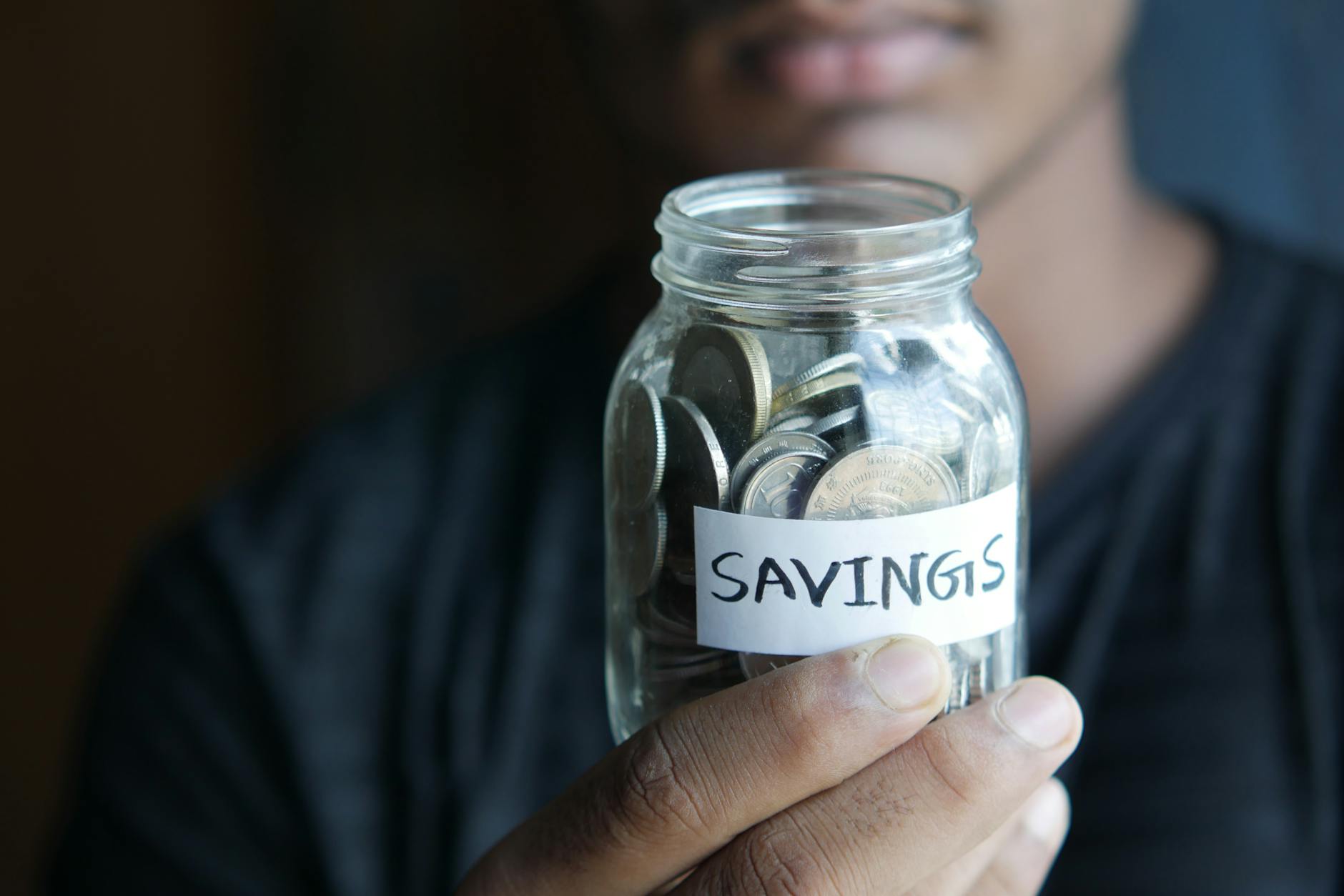
25. Buy discounted Disney gift cards — then pay for everything with them
This is the most underrated hack in all of Disney budgeting, and it’s the one most competitor guides bury or skip entirely. You can buy Disney gift cards below face value and use them for tickets, resort balances, food, and merchandise — essentially every dollar you’ll spend on the trip:
- Target Circle Card (formerly REDcard): 5% off Disney gift cards year-round. A $500 card costs $475.
- Sam’s Club and BJ’s: routinely sell discounted Disney eGift cards, with periodic doorbuster sales hitting 10% off (e.g., a $500 card for $450).
- Grocery fuel-point promos (Kroger and others) can push your effective discount to 10–15% during bonus-point events.
- Best Buy and similar retailers periodically run “Buy $100, get a $10 bonus” gift-card promotions worth stacking.
On a $6,000 trip, even a steady 5% discount is $300 back — for shopping you were going to do anyway. The strategy: buy gift cards in the denominations you need in the weeks before your trip, then apply them to your Disney account or use them at registers. You can combine multiple cards on a single transaction, and you can even use them to pay down your resort package balance before you arrive. Because Disney gift cards never expire, there’s zero risk in buying them on sale early.
26. Stack a Disney Visa card for extra perks
The Disney Visa offers cardholder discounts on select merchandise and dining, occasional financing on vacation packages, and rewards dollars you can redeem toward your trip. If you’ll carry no balance, it’s a clean way to layer another few percent of savings on top of gift cards. The two hacks compound: earn Disney Rewards Dollars on everyday spending throughout the year, then convert them to a Disney gift card you bought at a discount. Just never carry a balance — interest charges will erase any rewards instantly.
27. Bring refillable resort mugs only if you’ll use them
Resort refillable mugs (around $20–$25) give unlimited fountain drinks at your resort for your whole stay — worth it for big soda and coffee drinkers, a waste if you mostly drink water. Note they refill at resort quick-service stations, not in the parks. Do the math: if your family drinks two or three fountain sodas a day at the resort, the mug pays for itself; if you’re a water-bottle household, skip it.
28. Set a souvenir budget and avoid impulse buys
Give each kid a set cash or gift-card amount for souvenirs and let them choose. It teaches budgeting and stops the $200 day-three meltdown at the toy shop. Hand each child, say, a $50 gift card on day one and let them know that’s their souvenir money for the whole trip — the spending decisions become theirs, and the impulse begging largely stops. If you have an extra day in Orlando, shop Disney’s Character Warehouse outlet stores, where you’ll find genuine Disney merchandise — apparel, toys, plush, even MagicBands — at deep discounts of 50% or more off in-park prices.
Timing: Go When Disney Is Cheap and Quiet
29. Travel in the low season
The cheapest, least crowded windows are late August through September and mid-January through February (avoiding holidays and marathon weekends). Tickets, hotels, and even flights all drop, and shorter lines mean you may skip Lightning Lane entirely — a double savings, because you’re paying less for the date-based ticket and avoiding the line-skip surcharge at the same time. Fall in particular is a sweet spot, pairing low crowds with pleasant weather and seasonal events; see our guide to Orlando theme parks in fall.
30. Avoid peak holiday weeks entirely
Christmas, New Year’s, spring break, and the weeks around major holidays carry the highest ticket and room pricing of the year — often the single most expensive dates on Disney’s calendar. Shifting your trip by even one to two weeks can save hundreds across tickets and lodging combined, and you’ll trade brutal crowds for walk-on attractions. If your kids’ school schedule allows it, a strategically timed mid-week, off-season visit is the closest thing there is to a Disney cheat code.
The Biggest-Savings Summary
If you only act on five things, make them these — they deliver the most dollars for the least effort:
| Tactic | Typical Savings (Family of 4) |
|---|---|
| Rent DVC points for a Deluxe room | $1,000–$1,575 vs. rack rate |
| Skip Lightning Lane on most days | $400–$700 |
| Discounted Disney gift cards (5–15%) | $300–$600+ on a full trip |
| Pack snacks + free ice water | $150–$250 per trip |
| Skip the dining plan (if it doesn’t pencil) | $150–$300 |
Layer even a few of these and the $1,400 figure from the top of this article isn’t optimistic — it’s conservative. For the full picture of what a trip actually costs and where every dollar goes, read our Orlando theme park vacation cost breakdown, and keep an eye on current cheap Orlando vacation deals before you book.
Memory Maker is one of the extras most often bought on autopilot. At $185 in advance it is good value for a family with young children who will stop at the photographers every day, and poor value for a couple heading straight for the coasters. Our guide to whether Disney Memory Maker is worth it does the sums for different trips, including the $75 One-Day option.
Frequently Asked Questions
What is the cheapest way to do Disney World?
The cheapest approach combines a low-season visit (late August–September or mid-January–February), a Disney Value resort or off-site rental, multi-day date-based tickets bought through an authorized reseller, packed snacks with free ice water, and paying for everything with discounted Disney gift cards. Together these tactics can cut a family-of-four trip by well over $1,000.
Are discounted Disney gift cards really worth the effort?
Yes. They’re the rare hack with no downside — Disney gift cards work for tickets, resorts, food, and merchandise, so a 5% Target Circle Card discount or a 10% warehouse-club sale is a straight return on money you’d spend anyway. On a $6,000 trip, that’s $300–$600 back for a few extra minutes at checkout.
Is the Disney Dining Plan worth it in 2026?
For most families and nearly all couples, no — paying out of pocket is cheaper and you never lose unused credits. The big 2026 exception is families with children ages 3–9, who can get a free kids’ dining plan when an adult plan is purchased on an eligible package. Run your specific numbers before committing.
Do I need to buy Lightning Lane?
Not usually. At $15–$35+ per person per day, it can add $400–$700 to a family’s 5-day trip. Use Early Theme Park Entry, rope drop, and late-evening rides during fireworks to keep waits low, and reserve Lightning Lane only for your single busiest park day if at all — especially during low-season visits.
Is it cheaper to stay on-site or off-site at Disney World?
It depends on party size. For one to four guests, a Disney Value resort is competitive and includes free transport and Early Entry. For groups of five or more, an off-site vacation home with a kitchen usually wins on both lodging and food. For a Deluxe-level stay, renting DVC points beats both on price.
How much does a budget Disney World trip cost for a family of four?
With these tactics, a value-conscious family of four can do a 5-night trip for roughly $4,500–$6,000 including tickets, a Value resort, food, and incidentals — versus $7,000–$9,000+ for a comparable trip booked at full price without the hacks. Your exact total depends on season, hotel tier, and how aggressively you apply the savings above.
Can you still have a “magical” Disney trip on a budget?
Absolutely — and that’s the whole point. None of these strategies require skipping rides, missing fireworks, or denying your kids the experience. You’re cutting waste, not magic: paying less for the same tickets through a reseller, sleeping in a clean Value resort instead of a Deluxe, eating a packed snack instead of a $7 popcorn, and skipping line-skipping passes you don’t need on low-crowd days. The memories come from the castle, the characters, and the rides — all of which are exactly the same whether you paid full price or saved $1,400 getting there.