Orlando Hurricane Season: The Reality Behind the Fear
Here is the sentence I wish someone had told me before my first September trip to Orlando: the word “hurricane” sounds far scarier than the reality of standing in a Disney World hotel room watching rain lash the windows while your kids work through a stack of free movies. Yes, the Atlantic hurricane season overlaps with some of the best-value, lowest-crowd months to visit Orlando’s theme parks. And yes, that gives a lot of first-time planners cold feet. But the gap between the headline anxiety and what actually happens on the ground is enormous — and understanding that gap is the difference between a stressful booking decision and a confident one.
The single most important fact most people miss: Orlando is inland. Walt Disney World, Universal Orlando, and SeaWorld all sit roughly 50 to 60 miles from the nearest Atlantic or Gulf coast. Storm surge — the deadliest, most destructive part of any hurricane — is a coastal phenomenon. By the time a storm reaches central Florida, it has usually crossed dozens of miles of land and weakened considerably. What Orlando typically gets is heavy rain, gusty wind, and a closed park day or two, not the catastrophic flooding you see on the news from beach towns. That does not mean storms are nothing — direct impacts and genuine tropical-storm or hurricane-force conditions do reach Orlando, and the parks do occasionally close — but it reframes the risk into something manageable and plannable.
This guide walks you through exactly when hurricane season runs, your real month-by-month risk, what a storm day actually looks like inside a resort, the cancellation policies at Disney and Universal, why travel insurance is non-negotiable (and why you must buy it early), and an honest verdict on whether you should book that tempting September trip anyway. If you are still mapping out your overall timing, start with our guide to the best time to visit Orlando theme parks, which puts the hurricane months in context against crowds, prices, and weather.
When Is Hurricane Season in Orlando?
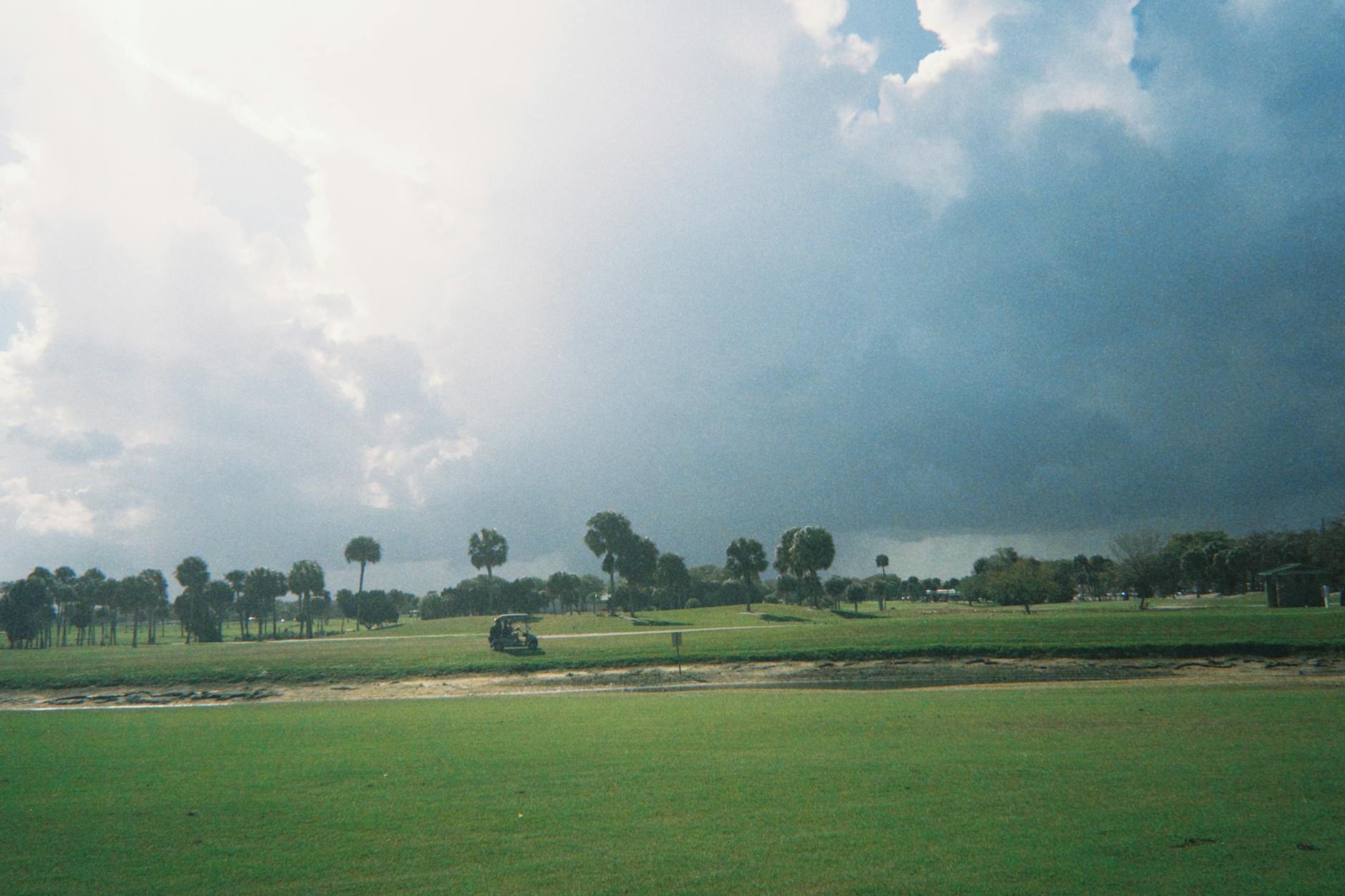
The Atlantic hurricane season officially runs June 1 through November 30. That is a six-month window, but the risk is far from evenly spread across it. Activity ramps up slowly in early summer, peaks hard in late summer and fall, and tapers off through November. The statistical peak of the entire season is September 10, and the genuinely active stretch — the period when the warm ocean and atmospheric conditions most favor strong storms — runs from roughly mid-August through October.
That concentration matters because it means most of the season carries relatively low risk. June and July see occasional named storms, but they tend to be weaker and less frequent. The early forecasts for the 2026 season from Colorado State University point to a slightly below-average year — on the order of 13 named storms, 6 hurricanes, and 2 major hurricanes — though seasonal forecasts are inherently uncertain and only describe basin-wide activity, not whether any specific storm will affect Orlando. Always verify the latest official outlook from the National Hurricane Center before you travel, as forecasts are updated throughout the season.
It is also worth remembering that the vast majority of named storms never come anywhere near Orlando. In any given season, the Atlantic basin may produce a dozen or more storms while central Florida sees no significant impact at all. The risk in the table below is about probability, not certainty — and even in peak months, a direct hit on Orlando in any single week is unlikely.
Month-by-Month Hurricane Risk for Orlando
| Month | Relative Risk | What to Expect |
|---|---|---|
| June | Low | Season opens but storms are infrequent and usually weak. Daily afternoon thunderstorms are far more common than tropical systems. |
| July | Low | Often the quietest tropical month of summer. Heat and humidity are the bigger concern than hurricanes. |
| August | Moderate → High | Activity ramps up in the second half of the month. Worth watching the forecast as your trip approaches. |
| September | Highest | The statistical peak (around Sept. 10). Most historical Orlando park closures have happened this month. |
| October | High → Moderate | Still active early on; tapers through the month. Several notable storms have hit in October. |
| November | Low | Season winds down. Late-season storms are possible but uncommon. Risk drops sharply after mid-month. |

If you want a deeper look at travelling in the heart of the active stretch, our guide to Orlando theme parks in fall and our summer Orlando guide both break down the trade-offs of crowds, heat, and value during these months.
Do Theme Parks Close for Hurricanes?
This is the question everyone really wants answered, so let’s be direct: yes, but rarely. Disney World has only fully closed its theme parks for hurricanes about seven times since Magic Kingdom opened in 1971 — for Hurricanes Floyd (1999), Frances and Jeanne (both 2004), Matthew (2016), Irma (2017), Dorian (2019), and Ian (2022). Hurricane Milton in October 2024 added another closure. That is a tiny number across more than five decades and tens of thousands of operating days. Universal Orlando and SeaWorld follow similar patterns, generally closing when Disney does and for the same conditions.
The parks have a genuinely excellent safety record. Walt Disney World’s entire property is designated StormReady by NOAA, meaning it meets formal standards for severe-weather preparedness, communication, and response. Decisions to close are made conservatively and announced in advance — Disney does not wait for a storm to arrive before telling guests. During Hurricane Milton, for example, Disney announced on October 8 that parks would close in phases beginning at 1 p.m. on October 9, giving guests more than a day’s notice.
What Actually Happens on a Storm Day
If a hurricane is approaching, here is the realistic sequence of events:
- Advance notice. Parks announce closures (and the timing) a day or more ahead based on the National Hurricane Center forecast. You will not be caught by surprise on a normal park day.
- Phased closures. Parks often close gradually — outdoor and water attractions first, then full closure, sometimes mid-afternoon rather than all at once.
- Resorts stay open and shelter guests. Disney and Universal hotels remain open through the storm. Most hotels even take in displaced locals. Guests are asked to shelter in place indoors, often under a curfew, until teams confirm it is safe to go outside.
- Indoor life continues. This is the part that surprises people. During past storms, Disney has offered free in-room movies, character meet-and-greets in lobbies, board games, arcade free-play, kids’ activities, and fitness centers. Select restaurants and quick-service spots stay open for hotel guests. It can genuinely feel like an indoor mini-vacation.
- A few exposed accommodations may relocate guests. More exposed lodging like Fort Wilderness campsites, the Treehouse Villas, and certain cabins may move guests to sturdier resort buildings as a precaution.
- Fast reopening. Parks typically reopen within a day of the storm passing once safety checks and cleanup are complete. After Milton, parks closed October 9–10 and reopened October 11.
In other words, a storm day at an Orlando resort is far more “cozy and a little boring” than “frightening.” The buildings are modern, hardened, and staffed by people who have done this many times before.

Disney World’s Hurricane Cancellation Policy
Disney’s hurricane policy is one of the most reassuring tools in your kit — but it comes with specific conditions you must understand. As currently published, if the National Hurricane Center issues a hurricane warning for the Orlando area (or for your place of residence) within seven days of your scheduled arrival, Disney allows you to cancel or reschedule your Walt Disney World Resort hotel package or room reservation without Disney’s usual cancellation or change fees. Your payments can be refunded or applied to a rescheduled trip.
The critical fine print:
- Direct bookings only. The policy covers reservations made directly with Disney. If you booked your room, tickets, or package through a third party, you are subject to that company’s rules instead.
- It’s a “warning,” not a “watch” or a scary forecast. The trigger is a formal hurricane warning from the National Hurricane Center within the seven-day window. A menacing-looking storm on a forecast map that has not yet prompted an official warning — or one falling outside that window — does not activate the policy.
- Exclusions apply. The policy generally does not cover youth and group bookings, special events, or conventions.
- Flights and non-Disney pieces aren’t covered. Disney’s policy does nothing for airline tickets, rental cars, or off-property hotels booked separately.
One more nuance worth flagging: this policy has historically been offered season by season and reinstated each year, and the exact wording can change. Always confirm the current terms on Disney’s official hurricane policy FAQ before you rely on them, or call Disney directly. Treat what you read here (and anywhere else online) as a guide, not a guarantee.
Universal Orlando’s Hurricane Policy
Universal Orlando offers a comparably flexible policy. As published, if a hurricane or tropical storm warning is issued by the National Hurricane Center — or a state of emergency is declared — for the Orlando area or your home region within seven days of arrival, you can cancel or reschedule a Universal Parks & Resorts Vacations package, a room-only hotel booking, or theme park tickets booked directly with Universal Orlando without Universal’s cancellation or change fees.
Note one useful difference: Universal’s language references a hurricane or tropical storm warning, which is a slightly broader trigger than Disney’s. As with Disney, though, the same essential rules apply:
- It only covers bookings made directly with Universal (or a Universal-approved travel agent).
- It does not apply if you book after a warning has already been issued — you cannot wait until a storm is bearing down and then book a “free cancellation” trip.
- Group bookings, select events, and certain dining experiences are excluded.
- Airline tickets within a package remain subject to the airline’s own fees.
Universal also offers an optional Cancel For Any Reason travel-protection waiver on its vacation packages, which lets you cancel once up to 24 hours before departure for any reason at all — a stronger backstop than the storm-specific policy. As always, verify the current terms directly with Universal before booking. For help deciding how to bundle tickets and rooms, see our Orlando theme park tickets guide.
Travel Insurance: Buy It Early (This Is the Big One)
If you take one action item from this entire guide, make it this: buy travel insurance, and buy it before any storm is named.
The reason is a rule that trips up countless travelers every year. Most travel insurance and the parks’ own hurricane policies operate on a “known event” principle: once a storm has been named or a warning issued, it is no longer an unforeseen event, and any policy you buy afterward will typically exclude it. You cannot watch a hurricane spin up on the forecast and then rush out to buy coverage for it. Insurance protects you only against storms that did not yet exist when you purchased the policy.
What good travel insurance covers that the parks’ policies do not:
- Your flights. The single biggest gap in Disney’s and Universal’s hurricane policies. Insurance can reimburse non-refundable airfare.
- Non-refundable bookings made through third parties — the off-property hotel, the rental car, the dining or tour reservation outside the parks.
- Trip interruption if a storm cuts your vacation short or strands you.
- Additional expenses like extra hotel nights if you cannot fly home on schedule.
For maximum flexibility, look for a “Cancel For Any Reason” (CFAR) upgrade. Standard policies only pay out for specific covered events; CFAR lets you cancel for reasons a basic policy might not cover (a storm that never reaches “warning” status, say) and recover a large portion of your costs. It costs more and usually must be added shortly after your initial trip deposit, so decide early. Read any policy’s hurricane and weather provisions carefully and confirm exactly what triggers a payout before you buy.

Airline Waivers and Getting In and Out
When a major storm threatens Orlando, airlines almost always issue travel waivers for the affected dates. These typically let you change your flight to a different date without the usual change fee (you may still owe any fare difference). Watch your airline’s travel-alerts page and your email as your trip approaches — if a waiver is posted, you can often rebook proactively before the airline cancels flights outright.
Be aware that Orlando International Airport (MCO) does shut down during the worst of a direct hit. During Hurricane Milton, MCO halted commercial operations and all flights were grounded for a period. The practical takeaway: if a serious storm is forecast for your travel dates, build in flexibility, monitor your airline, and do not assume you’ll fly exactly on schedule. Airline waivers are common and helpful, but they are not guaranteed for every storm, and a closed airport overrides any waiver.
Pre-Trip Hurricane Prep Checklist
If you’re booked for the active season, run through this list before you go:
- Book directly with Disney or Universal where possible so the hurricane policies actually apply to you.
- Buy travel insurance at the time of your deposit — before any storm is named — and consider a Cancel For Any Reason upgrade.
- Keep digital and paper copies of your insurance policy, confirmations, and the parks’ hurricane-policy pages.
- Bookmark the National Hurricane Center (hurricanes.gov) and start checking it about a week out.
- Download the official Disney and Universal apps for real-time park-status and reopening notifications.
- Sign up for your airline’s flight alerts and know its app’s rebooking flow.
- Pack a rain layer and ride-friendly footwear. Even non-storm days bring downpours; our Orlando theme park packing list covers exactly what to bring.
- Bring a portable charger and a few non-perishable snacks in case of a shelter-in-place day.
- Have a loose backup plan — flexible enough to swap a closed park day for an indoor day or a rescheduled afternoon.
- Don’t panic over a named storm 10 days out. Forecasts shift constantly; wait for official warnings before making big decisions.
First-timers, in particular, will benefit from reading our first-time Orlando theme parks guide alongside this one, since storm-season planning layers on top of all the usual logistics.
Should You Worry? An Honest Verdict
Here is my genuine, no-spin take after years of watching these seasons play out: you should be aware, prepared, and insured — but you should not be afraid.
The case for booking September or October anyway is strong. These are among the lowest-crowd, best-value weeks of the year. Lines are shorter, the parks feel calmer, hotel rates drop, and you can experience Orlando the way it’s hard to in peak summer or the holidays. If you’re a budget-minded traveler, that value is real — pair this with our Orlando on a budget guide and you’ll see why savvy repeat visitors love the shoulder season. Mid-week trips compound the savings; our weekday vs. weekend breakdown shows how.
The case for caution is simply this: in any single week of peak season, the odds of a disruptive storm are low but not zero, and the consequences of being uninsured can be expensive. The solution isn’t to avoid the season — it’s to protect yourself properly. Book direct, insure early, stay flexible, and watch the forecast. Do those four things and the worst realistic outcome is usually a cozy indoor day or two and a rescheduled afternoon, not a ruined vacation.
My bottom line: if the value and lighter crowds appeal to you, book the September or October trip — and treat travel insurance as part of the price of admission. Orlando’s inland location, the parks’ superb preparedness, and the genuinely flexible cancellation policies mean the deck is stacked far more in your favor than the word “hurricane” suggests. Plan smart, and you can enjoy the best season Orlando has to offer with a clear conscience.
Disney’s hurricane policy is the one written exception to its no-refund rule on tickets: it applies when the National Hurricane Center issues a hurricane warning for Orlando or your home area within 7 days of arrival. Our Disney World ticket changes and refunds guide covers that policy alongside the ordinary date-change and package cancellation rules.
Frequently Asked Questions
Do Orlando theme parks close during hurricanes?
Only rarely. Disney World has fully closed its parks for hurricanes roughly seven or eight times since 1971, and Universal and SeaWorld follow similar patterns. Closures are decided conservatively, announced in advance, and parks typically reopen within a day of the storm passing. On most storm-affected days, parks adjust operations rather than close entirely.
Will I get a refund if a hurricane hits during my Disney World trip?
If a hurricane warning is issued for the Orlando area or your home region within seven days of arrival, Disney’s policy lets you cancel or reschedule a directly-booked package or room without Disney’s change or cancellation fees. It does not cover flights, third-party bookings, or trips already underway in the same way — that’s where travel insurance comes in. Always confirm the current terms with Disney directly.
When is the worst time for hurricanes in Orlando?
September is the statistical peak of the Atlantic hurricane season, with mid-August through October being the most active overall. June, July, and November carry meaningfully lower risk. That said, even in September, a direct, disruptive impact on Orlando in any single week is unlikely.
Should I buy travel insurance for an Orlando trip during hurricane season?
Yes — and buy it early, before any storm is named. Insurance is the only thing that reliably covers your flights and non-refundable third-party bookings, which the parks’ own policies do not. Coverage purchased after a storm is named typically excludes that storm, so don’t wait. Consider a Cancel For Any Reason upgrade for maximum flexibility.
What happens if I’m staying at a Disney or Universal hotel during a hurricane?
Resort hotels stay open and shelter guests indoors, usually under a temporary curfew, until it’s safe to go outside. Expect indoor activities like free in-room movies, character visits, arcades, and open quick-service dining. The buildings are modern and hardened, and staff are highly experienced — it’s far more low-key than frightening.
Is it safe to book an Orlando trip in September or October?
Generally, yes. Orlando’s inland location means it usually sees weakened storms — heavy rain and wind rather than catastrophic surge — and the parks have an excellent safety record. The lighter crowds and lower prices make these months attractive. Book directly, buy insurance early, stay flexible, and monitor the National Hurricane Center, and the season is very manageable.