One hour east of Orlando, on Florida’s Atlantic coast, sits the most consequential rocket launch facility in human history. Kennedy Space Center is where every American crewed Apollo mission launched, where the Space Shuttle program ran for 30 years, and where SpaceX, Blue Origin, and NASA’s Artemis program now launch missions that will return humans to the Moon. For Orlando theme park visitors looking for a single non-park day trip that delivers genuine wow-factor and is appropriate for all ages, Kennedy Space Center Visitor Complex is the unambiguous answer. The site receives 1.5 million visitors per year, hosts more space history per square foot than anywhere else on Earth, and offers regular astronaut meet-and-greets that no theme park can match. This is the most thorough 2026 Kennedy Space Center day trip guide for Orlando visitors — tickets, what to see, transportation, what’s worth doing, what to skip, and exactly how to plan a perfect day at the home of America’s space program.
Kennedy Space Center 2026: The Quick Reference
Location: Merritt Island, FL, approximately 60 minutes east of Walt Disney World via SR 528 (Beachline Expressway). Official name: Kennedy Space Center Visitor Complex. Operating hours: typically 9:00 a.m. to 5:00 p.m. (last admission usually around 3:00 p.m. to allow time for the bus tour). 2026 single-day adult admission: $77 plus tax. Child admission (ages 3–11): $67. Children under 3 are free. Annual pass: $115 adult, $97 child. Most visitors plan a full 7–9 hour day at the Visitor Complex; a rushed visit takes 5 hours minimum and misses key experiences. Open 7 days per week year-round, including most holidays.
Why Kennedy Space Center Is Worth a Day From Orlando
Most non-Orlando theme park attractions are evaluated against Disney’s standards, and most fall short. Kennedy Space Center is the rare exception: it competes with Disney’s premium attractions on production value while delivering experiences that no theme park can replicate. The reasons are specific.
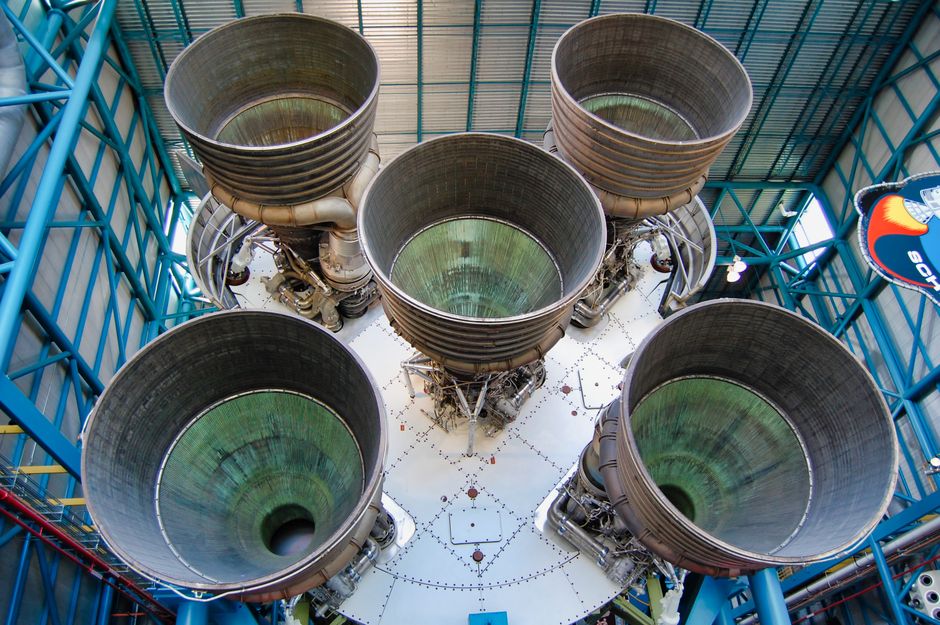
The Saturn V rocket on display at the Apollo/Saturn V Center is one of only three remaining in the world. It is 363 feet long and weighs 6.2 million pounds — larger than the Statue of Liberty. Standing beneath it, you understand viscerally what the scale of the Apollo program required. No theme park exhibit comes close.
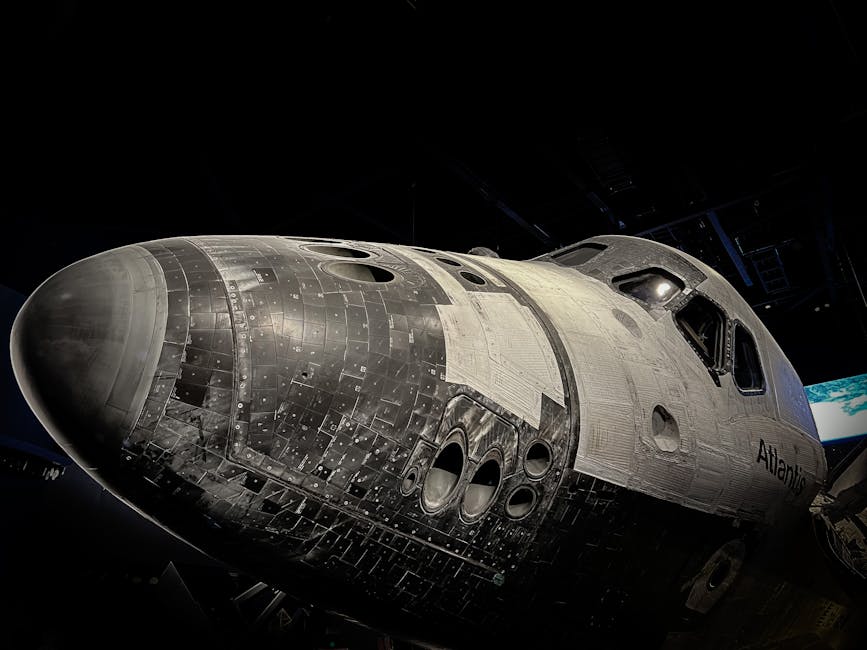
The Space Shuttle Atlantis is on permanent display at its own dedicated 90,000 square foot pavilion. Atlantis flew 33 missions over 26 years and carried more crew to space than any other Shuttle. It is mounted in launch position, with payload bay open, so close that visitors can see the heat-damaged thermal tiles up close. The exhibit’s 360-degree presentation is among the most dramatic museum exhibits in any museum anywhere.
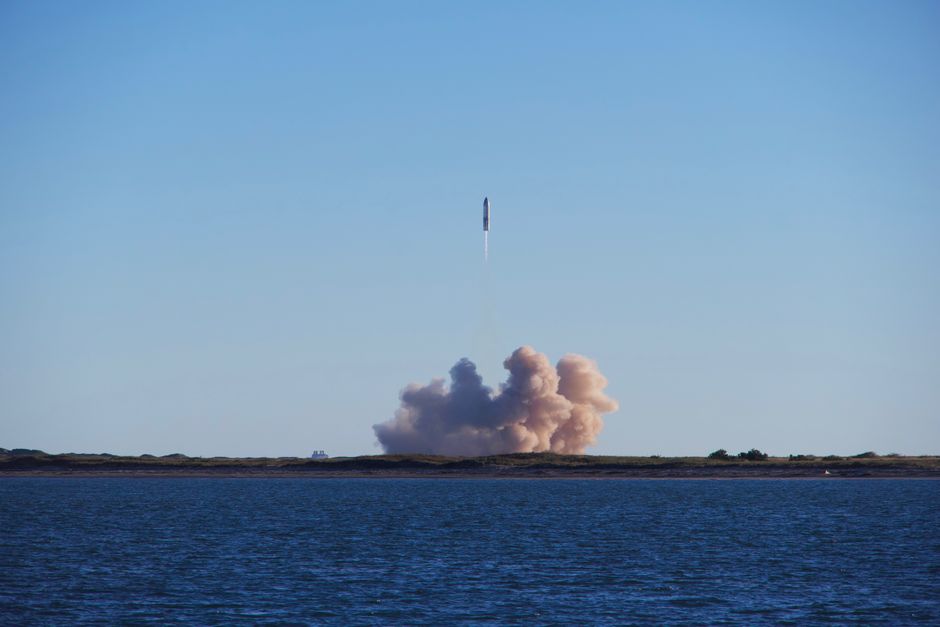
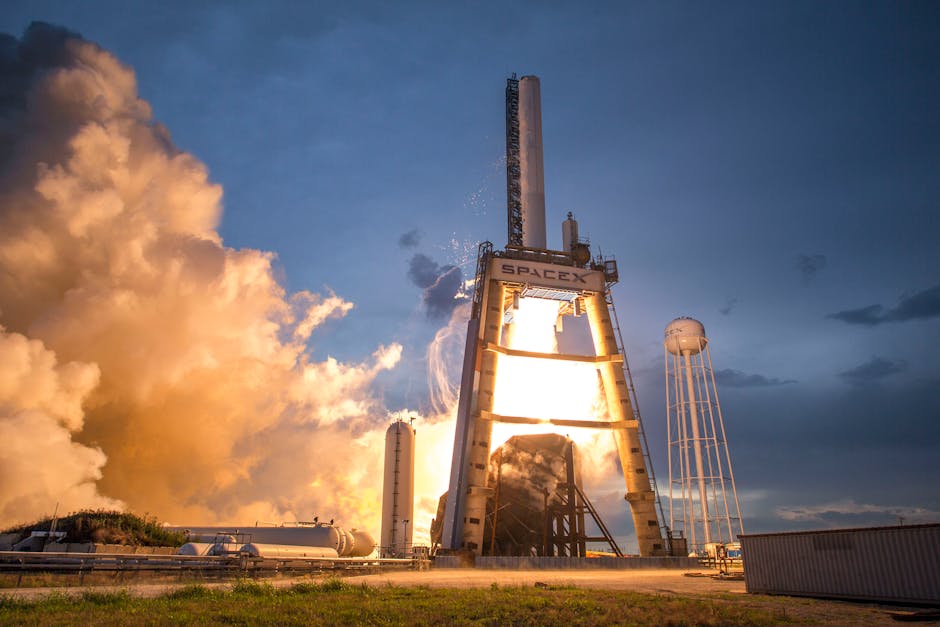
Kennedy Space Center is an active launch complex, not a retired museum. SpaceX, Blue Origin, ULA, and NASA all launch from here. Visitors during launch days can watch live rocket launches from designated viewing areas (separate ticket from regular admission for prime viewing). The 2026 Artemis II mission to the Moon, the first crewed lunar mission since Apollo 17 in 1972, will launch from here.
Most days, working astronauts host the Astronaut Encounter at the Visitor Complex — a 30-minute live presentation followed by Q&A with a real astronaut. Past Encounters have featured astronauts who walked on the Moon, commanded the Space Shuttle, and lived on the International Space Station. No theme park can deliver this.
Getting from Orlando to Kennedy Space Center
Driving (Recommended)
The drive from Orlando area hotels to Kennedy Space Center takes 55–75 minutes via the Beachline Expressway (SR 528). From Walt Disney World: head east on SR 528 from the Disney area, continue past Orlando International Airport, past Cocoa Beach, north to merge with SR 405 (NASA Causeway). Total distance: approximately 65 miles. Tolls on SR 528: approximately $5 each way. Parking at Kennedy Space Center: $10 per vehicle.
Tour Operators With Round-Trip Transportation
For visitors without a rental car, several tour operators offer round-trip transportation from Orlando hotels. Gray Line Orlando: $135 per adult including admission and round-trip transportation, hotel pickups from major International Drive and Lake Buena Vista hotels. Includes guided commentary during the drive. Viator: $130–$165 per adult with similar inclusions. Allears Tours: $145 per adult. The convenience premium is roughly $40–$60 per person over self-driving, but eliminates the rental car, parking, and tolls.
Rideshare
Uber/Lyft from Orlando to Kennedy Space Center: approximately $90–$130 each way, $180–$260 round trip. Generally not cost-effective compared to rental car or guided tour. Surge pricing during launch days can push costs to $200+ each way.
Public Transportation
No direct public transportation connects Orlando to Kennedy Space Center. Local Brevard County buses serve Cocoa Beach but not the Visitor Complex; visitors arriving by Greyhound to Cocoa would still need a 30-minute taxi or rideshare to KSC. Public transportation is not a practical option.
Kennedy Space Center Tickets and Add-Ons
Standard Admission Ticket
2026 single-day admission: $77 adult, $67 child (ages 3–11), free under 3. Includes general admission to all permanent exhibits, the included KSC Bus Tour to the Apollo/Saturn V Center, all daily shows (Astronaut Encounter, Heroes & Legends, IMAX films, mission briefings), and access to the rocket gardens and outdoor exhibits. Includes one bus tour of the active launch complex. Standard admission is sufficient for most visitors and delivers a full day’s experience.
Two-Day Admission
$92 adult, $82 child for two consecutive days. Useful if visiting during a launch day (one day at the Visitor Complex, one day for launch viewing nearby).
Annual Pass
Adult: $115. Child: $97. Becomes worthwhile after two visits. Includes free parking and 10% discount on most Visitor Complex purchases.
Special Tour Add-Ons
KSC Up-Close Tour (additional $25 per adult, $19 per child): extended bus tour that takes visitors closer to the active launch facilities and crawler transporter, including stops at the Vehicle Assembly Building (one of the largest buildings in the world by volume) and the Launch Complex 39 viewing pad. Highly recommended for serious space enthusiasts.
Cape Canaveral Space Force Museum Tour (additional $30 per adult): bus tour of historical Cape Canaveral Air Force Station launch sites, including the original Apollo and Mercury launch pads. Limited availability and requires advance booking.
Lunch With An Astronaut ($30+ per adult on top of admission): scheduled lunch with a working astronaut, typically 1.5–2 hours including a personal Q&A and group photos. Reservations book up 30+ days in advance during peak season.
Astronaut Training Experience or ATX (separately ticketed at $175 per adult, $135 per child age 7+): half-day immersive simulation including spacewalk training in a virtual reality environment, Mars simulation, and mission control roles. Limited capacity; book weeks in advance.
Launch Viewing Tickets (varies by launch, typically $50–$200 per adult): premium viewing positions on Visitor Complex grounds for active launches. Separate ticket required even with general admission. Sells out months in advance for high-profile launches like Artemis missions.
What to See at Kennedy Space Center
The Apollo/Saturn V Center (Top Priority)
Accessible only via the included KSC Bus Tour. The 30-minute bus ride to the Apollo/Saturn V Center is itself worth the price of admission, passing within view of active launch pads and the Vehicle Assembly Building. Inside the Saturn V Center: the 363-foot Saturn V rocket displayed horizontally, the Apollo 11 Lunar Lander recreation, the Lunar Theater (a 10-minute presentation about the Apollo missions), the Firing Room recreation showing the actual mission control consoles from Apollo 8, and an extensive Apollo artifacts collection. Plan 2.5–3 hours minimum at the Saturn V Center.
Space Shuttle Atlantis
The Visitor Complex’s signature exhibit. Atlantis flew the 100th Shuttle launch and is one of only four orbiters built. The exhibit begins with a dramatic theatrical presentation about the Shuttle program (skip if you’ve seen it; jump straight to Atlantis). The orbiter is on public display in a way no other Shuttle is — payload bay open, robotic arm extended, mounted as if in flight. Hubble Space Telescope full-size mock-up nearby. Plan 90–120 minutes.
Heroes & Legends Featuring the Astronaut Hall of Fame
A multi-room exhibit honoring the original Mercury astronauts and inducting members of the Astronaut Hall of Fame. The 4D theater segment is dramatic and emotional, particularly for visitors with personal memories of the early space program. Plan 75 minutes.
Rocket Garden
An outdoor display of seven complete and segmented rockets representing 60 years of American spaceflight history. Atlas, Titan, Mercury-Redstone, Saturn IB, and others. Free with admission. Best time: morning (before crowds) or late afternoon (better light for photos). Plan 30 minutes.
Astronaut Encounter
30-minute live presentation by a working astronaut, including 10–15 minutes of audience Q&A. Held multiple times daily. Verify the day’s astronaut on arrival; some are higher-profile than others. Past speakers have included Apollo, Space Shuttle, and ISS astronauts. Plan 30 minutes.
Mission to Mars: Red Planet Theatre
A 25-minute multimedia presentation about NASA’s Mars exploration program, including footage from the Curiosity and Perseverance rovers. Updated regularly to reflect current missions.
Journey to Mars: Explorers Wanted
An exhibit focused on future Mars missions, including hands-on stations for kids and a Mars simulation experience. Includes interactive driving of a Mars rover. Particularly engaging for ages 8–14.
IMAX Theater
The Visitor Complex hosts two IMAX theaters showing rotating space-themed films. Past selections include “Hubble,” “Mission to Space,” “Apollo 11: First Steps,” and “A Beautiful Planet.” Films are 45 minutes; included with admission. Verify the current showing on arrival; some films are dated and others are excellent.
Imagination Playground (Kids’ Area)
Outdoor play area with age-appropriate space-themed climbing structures. Located behind the main Visitor Complex; useful break for kids who tire of museum-style content.
Sample Day Plan: Family of 4 Kennedy Space Center Visit
Morning Session (8:00 a.m. – 12:00 p.m.)
7:00 a.m.: Depart Orlando area hotel. 8:30 a.m.: Arrive at Kennedy Space Center, park ($10), enter through main gate. 8:45 a.m.: Walk through Rocket Garden in cool morning air. 9:15 a.m.: Heroes & Legends featuring Astronaut Hall of Fame (75 minutes). 10:30 a.m.: Atlantis exhibit (90 minutes). 12:00 p.m.: Lunch break (Visitor Complex has multiple casual restaurants; budget $50–$70 for family of 4).
Afternoon Session (12:30 p.m. – 5:00 p.m.)
12:30 p.m.: Bus tour to Apollo/Saturn V Center departure. The bus tour itself takes 30 minutes each way. 1:00 p.m.: Arrive at Saturn V Center. Walk through Apollo lunar landing simulation, view the Saturn V rocket, watch the Lunar Theater presentation. Plan 2.5 hours at the Saturn V Center. 3:45 p.m.: Return bus to main Visitor Complex. 4:00 p.m.: Astronaut Encounter (30-minute live program). 4:45 p.m.: IMAX film if time permits, or browse gift shops. 5:15 p.m.: Depart for Orlando. Arrive back at hotel by 6:30 p.m. Plan dinner accordingly; the drive coincides with rush hour through the Orlando area.
What to Pack for Kennedy Space Center
Essential
Sunscreen and a hat — much of the Visitor Complex is outdoors. Comfortable walking shoes — expect 4–6 miles of walking. Reusable water bottle (free water stations are available). Light jacket for the IMAX theater and bus tour (both are heavily air-conditioned). Phone fully charged with portable backup. Camera with extra battery if you’re a serious photographer.
Useful
A small backpack for carrying water, snacks, and souvenirs. Snacks (allowed in the Visitor Complex). A printed itinerary or saved-offline maps in case of cell signal issues near the launch facilities. Cash for the parking fee (most accept cards, but cash is fast).
Skip
Don’t bring a stroller — the Visitor Complex has free wheelchair and stroller rental on-site, and the bus tour requires careful stroller management. Don’t bring outside food/drink in glass containers (prohibited). Don’t bring drone equipment (prohibited at all NASA facilities).
Best Time of Year to Visit Kennedy Space Center
Best Months: Late Spring and Fall
April–May and September–November offer the most pleasant weather (highs in the 70s–80s) and moderate crowds. Hurricane season (June–November) can occasionally affect launches and weather but rarely closes the Visitor Complex itself.
Avoid: Summer Mid-Day Heat
July–August highs reach 92°F+ with high humidity. Much of the Visitor Complex is outdoors. Pack accordingly or visit early morning and break mid-day.
Launch Days
SpaceX, Blue Origin, ULA, and NASA all launch frequently from Cape Canaveral and Kennedy Space Center. Active launches add genuine excitement to a visit and offer the rare opportunity to watch a rocket launch in person. Launch schedules are published 30+ days in advance via the Visitor Complex website. High-profile launches (Artemis, Crew Dragon, Starliner) sell launch viewing tickets months in advance.
Avoid: First Tuesday of Each Month
Florida residents receive free admission on the first Tuesday of each month, dramatically inflating crowds. Out-of-state visitors should choose other days.
Watching a Real Rocket Launch from KSC
Watching a launch in person is one of the most memorable experiences of any Orlando trip. Here’s how to plan it.
Launch Schedule Sources
NASA Spaceflight Now (spaceflightnow.com) and the Kennedy Space Center website maintain current launch schedules. SpaceX launches often have last-minute schedule changes; check 24 hours before arrival. Launch windows can range from 5 minutes to 2 hours depending on mission.
Viewing Options
Visitor Complex Launch Viewing Tickets ($50–$200): premium positions on Visitor Complex grounds with bleacher seating. Best balance of cost and view. Sells out for major launches.
Free Public Viewing at the KSC Visitor Complex: included with regular admission on launch days, but space is first-come-first-served and viewing distance is greater than premium tickets.
Free Public Viewing from Cocoa Beach Pier or Jetty Park: 8–10 miles from launch pads, dramatic ocean views, completely free. Arrive 2–3 hours before launch for parking.
Playalinda Beach (Canaveral National Seashore): closest free public viewing, approximately 4 miles from launch pads. Park entrance fee ($30 per vehicle), arrive 4+ hours before launch.
What to Expect at a Launch
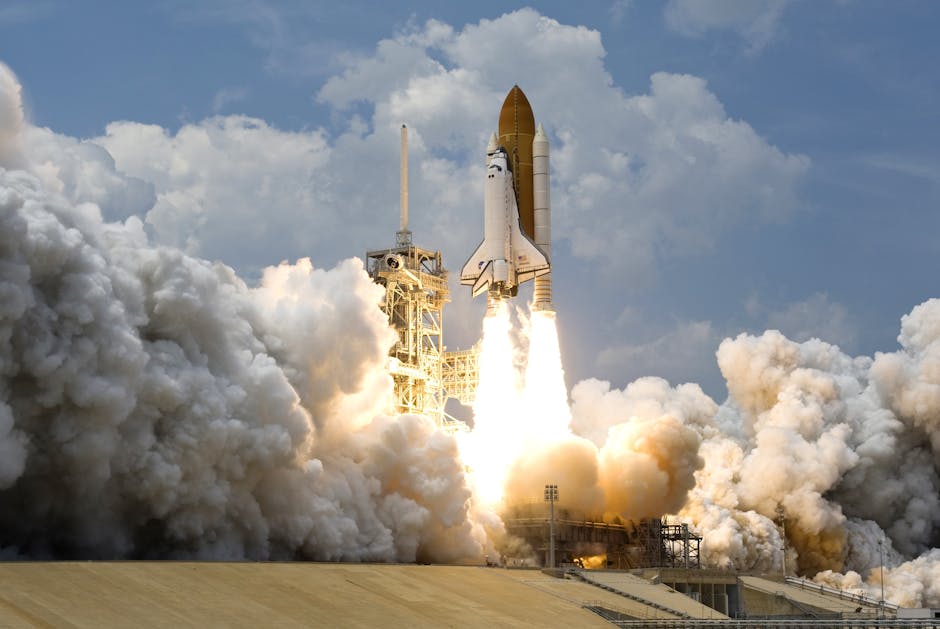
The launch itself takes 1–3 minutes from ignition to clearing the tower. The sound arrives 30–60 seconds after the visual depending on viewing distance — a low rumble that grows to chest-thumping intensity. Most launches occur during daylight, but evening launches are visually spectacular due to the engine plume. Plan for the launch to be the highlight of a longer day; don’t structure your trip around just the launch as scrubs and delays are common.
Where to Eat at Kennedy Space Center
On-Site Dining
Orbit Café (main Visitor Complex): casual American food, family-friendly. Burgers, chicken sandwiches, salads. $14–$22 per adult meal. Quick-service style with seating.
Moon Rock Café (Apollo/Saturn V Center): cafeteria-style, similar pricing. Convenient for guests doing the full bus tour day.
Rocket Garden Café: smaller menu, snacks and lighter meals. $10–$16 per item.
Dining Plan
Kennedy Space Center does not participate in any Disney or Universal Dining Plans. Cash, credit, and debit cards accepted at all on-site locations.
Outside Food Policy
Outside food is allowed at Kennedy Space Center (a notable difference from theme parks). Pack a cooler or backpack with sandwiches, snacks, and water for significant savings on a family visit.
Off-Site Lunch Options
Within 15 minutes of Kennedy Space Center, casual restaurants in Titusville offer reliable seafood and American fare. Dixie Crossroads Restaurant (12 minutes) is a Florida classic for fresh shrimp and fish. Cape View Pub & Grill (10 minutes) offers waterfront views with similar pricing. Plan a 30-minute round-trip if you want to leave the Visitor Complex for lunch.
Pro Tips for Kennedy Space Center
Buy Tickets Online in Advance
Online ticket purchase saves 5–10% over walk-up gate prices and skips a long line. Tickets are emailed and can be saved to your phone wallet for direct scanning at entry.
Arrive at Opening
The Visitor Complex opens at 9:00 a.m. but lines start forming at 8:30 a.m. Arriving by 9:00 a.m. lets you enter through the rocket garden in cool morning air and see the most popular exhibits before the bus tour rush.
Take the Bus Tour Early
The KSC Bus Tour to the Apollo/Saturn V Center departs every 15 minutes from approximately 10:00 a.m. to 2:00 p.m. Last departure is around 2:00 p.m. or earlier. Take the bus tour by mid-morning to ensure adequate time at the Saturn V Center before the return bus runs out.
See Atlantis Before 11:00 a.m. or After 3:00 p.m.
The Atlantis exhibit is the single most-visited area of the Visitor Complex. Crowds peak 11:00 a.m. – 2:00 p.m. Visit early or late for shorter waits and better photo opportunities.
Verify Astronaut Encounter Schedules
Astronaut Encounter sessions vary by day. Check the daily schedule at the entrance or via the website. Higher-profile astronauts (Apollo program, ISS commanders) draw larger audiences; arrive 15 minutes early.
Bring Snacks for Long Waits
The bus tour and Saturn V Center have limited food service. Pack snacks for the bus ride and Apollo Center visit. Outside food is permitted.
Use the App
The Kennedy Space Center mobile app (iOS and Android) provides daily schedules, maps, and exhibit information. Download before your visit; the Visitor Complex’s WiFi is unreliable.
Souvenir Strategy
The main Space Shop near the Atlantis exhibit has the largest selection. Several smaller gift shops have specialty items. Set a per-person souvenir budget; KSC merchandise prices are mid-range ($15–$60 for typical items).
Combining Kennedy Space Center With Other Day Trip Options
Cocoa Beach
20 minutes south of Kennedy Space Center. Free public beaches with surf, classic Florida pier, and casual seafood restaurants. Perfect afternoon stop after a morning at KSC. Combined trip: 7 hours total (4 KSC + 3 beach).
Cape Canaveral Space Force Museum
Active Space Force museum just south of KSC. Limited public access (typically Saturdays only) and requires separate booking. Best for serious space enthusiasts. Bus tour from KSC available with separate ticket.
Daytona Beach
60 minutes north of Kennedy Space Center. Daytona International Speedway, classic beach town, NASCAR racing experiences. Long combined day if attempting both Kennedy Space Center and Daytona.
Brevard Zoo
15 minutes south of KSC in Melbourne. AZA-accredited zoo with kayak adventures and family-friendly experiences. Good half-day combination.
FAQ: Kennedy Space Center Day Trip 2026
How long do I need at Kennedy Space Center?
A focused full day: 7–9 hours from arrival to departure. A rushed visit can be done in 5 hours but requires skipping the bus tour or some major exhibits. The bus tour to Apollo/Saturn V Center alone takes 4 hours including travel and Saturn V Center time.
How much does Kennedy Space Center cost?
2026 single-day adult admission: $77 plus tax. Child (3–11): $67. Free under 3. Add-ons: Up-Close Tour $25 adult, Lunch With An Astronaut $30+, premium experiences higher. Family of 4 (2 adults, 2 kids 6 and 9): $288 base admission, plus parking $10, plus food approximately $80 = $378 day total.
Is Kennedy Space Center good for kids?
Yes, particularly for ages 7+. Younger children may find some exhibits abstract; the rocket garden, IMAX films, and play area engage all ages. Kids 8–14 are the sweet spot for full engagement with the science and history content.
Can you see a rocket launch on a visit?
Sometimes. SpaceX, Blue Origin, ULA, and NASA launch frequently from KSC and Cape Canaveral. Check the launch calendar 30 days before your visit. Many launches occur on weekdays during business hours; some at night. Premium launch viewing requires separate tickets.
How far is Kennedy Space Center from Disney World?
Approximately 65 miles via SR 528. Drive time: 55–75 minutes depending on traffic. From Universal Orlando: 60 miles, similar drive time.
Is Kennedy Space Center worth it?
Yes, particularly for first-time Orlando visitors interested in science, space history, or American history. The combination of authentic artifacts, working astronaut encounters, and active launch facility creates an experience no theme park can match. Read our things to do in Orlando besides theme parks guide for other day-trip alternatives.
What’s the best way to get from Disney to Kennedy Space Center?
Drive yourself if you have a rental car (most cost-effective). Guided tour buses ($130+ per adult including admission) for visitors without rental cars. Read our rental car guide for transportation strategy.
Can I bring food into Kennedy Space Center?
Yes. Outside food and water bottles are permitted (a notable difference from theme parks). Coolers are allowed. Glass containers are prohibited.
Do I need to book the bus tour separately?
No. The KSC Bus Tour is included with standard admission. Limited capacity per bus departure, but tours run every 15 minutes during peak hours. Up-Close Tour is a separate paid add-on.
Is there a place to stay near Kennedy Space Center?
Yes. Titusville and Cocoa Beach offer hotels near the Visitor Complex. Most Orlando-based visitors do KSC as a day trip rather than overnight. For launches with early-morning windows, an overnight stay near the launch viewing area can be useful.
Is Kennedy Space Center affected by weather?
Generally no for indoor exhibits. Outdoor exhibits, the bus tour, and launch viewing can be affected by lightning or severe weather. The Visitor Complex remains open in light rain. Hurricanes occasionally close the facility temporarily.
Can I see the Vehicle Assembly Building?
The Vehicle Assembly Building (VAB) is one of the largest buildings in the world by volume and a key Apollo and Shuttle facility. The standard bus tour passes within view; the Up-Close Tour brings visitors closer. Interior tours are extremely limited and require separate booking through NASA Tours.
What’s the difference between Kennedy Space Center and Cape Canaveral Space Force Station?
Kennedy Space Center is the NASA-operated public-facing facility. Cape Canaveral Space Force Station is the active U.S. Space Force launch installation. They are adjacent and share some launch facilities. The Visitor Complex provides public access to NASA portions; Cape Canaveral is mostly closed to the public except via specific tours.
Final Word
Kennedy Space Center is the rare Orlando-area attraction that delivers cultural and historical depth that genuinely competes with the theme parks. For visitors looking to balance an Orlando theme park trip with a non-park experience that’s appropriate for all ages, that delivers genuine wow-factor, and that costs significantly less than a Disney or Universal day, Kennedy Space Center is the obvious choice. Plan a full day, drive yourself if possible, take the bus tour to the Apollo/Saturn V Center, attend an Astronaut Encounter, and budget time for both Atlantis and the rocket garden. The day will rank among the most memorable of your Orlando vacation.
More Beyond-the-Parks Day Trip Guides
Read our complete Beyond the Parks: Things to Do in Orlando guide for more non-park experiences, our complete Orlando transportation guide for getting around the area, our do you need a rental car guide for transportation strategy, our Orlando vacation cost guide for budget context, and our best time to visit Orlando theme parks for seasonal planning. A sibling article on beaches near Orlando is coming next in our content plan.