Planning an Orlando Trip Around a Disability: Where to Start
The first time I helped a family member with autism plan an Orlando trip, I made the same mistake almost everyone does: I assumed I’d just “figure it out when we got there.” We didn’t. We stood in a Guest Relations line for forty minutes, in the heat, only to learn we should have registered for an accommodation days earlier from the comfort of our own living room. That trip taught me that accessibility at Orlando’s theme parks is wonderful, genuinely some of the best in the world, but only if you do the homework before you arrive. Almost every meaningful accommodation now starts online, ahead of time.
This guide pulls together everything I’ve learned across years of trips and a lot of policy reading: how Disney, Universal, and SeaWorld each handle disability accommodations, what changed dramatically in 2024, how to rent mobility equipment without overpaying, and how to support sensory, cognitive, hearing, and visual needs. I’ll be honest where things are restrictive, because overpromising helps no one. If you’re building a broader itinerary, this fits alongside our wider guide to Orlando theme parks with kids, which covers the day-to-day logistics that matter for every family.
One caveat I’ll repeat throughout: these policies change, sometimes quietly and sometimes with very little notice. Treat everything here as your starting map, then verify the current details directly with each resort before you commit to a registration window or a ride plan.
How Disney World Handles Accessibility (and the Big 2024 Change)
Walt Disney World offers a deep menu of accommodations, but the centerpiece, the Disability Access Service (DAS), went through the most significant overhaul in its history in 2024, and understanding that change is essential.
The Disability Access Service (DAS) After May 2024
DAS lets a guest avoid physically waiting in a standard queue. Instead of standing in line, you receive a return time roughly equal to the current wait, then come back to enter through the Lightning Lane. It’s a fantastic accommodation, and for years it covered a broad range of disabilities.
That broad eligibility ended on May 20, 2024. Disney now states that DAS is “intended to accommodate those guests who, due to a developmental disability like autism or similar, are unable to wait in a conventional queue for an extended period of time.” In practice, this means the program has been narrowed substantially. Guests whose needs are purely physical, mobility-related, or medical (for example, conditions managed with a wheelchair, or many gastrointestinal and chronic-pain conditions) are now frequently directed to other accommodations rather than DAS. This shift has been controversial, and I want to be candid: if your disability is not developmental in nature, you should plan as though you may not receive DAS, and build your day around the alternatives below.
Registration is now an interview, not a form. You request DAS through a live video chat with a Disney cast member, and the process may involve a third-party health professional. You can begin this conversation as early as 30 days before your visit (some sources cite up to 60 days; the practical window most families use is 2 to 30 days out) and no later than the day of your visit. If approved, DAS is now valid for the length of your trip, up to 240 days. Do this video chat early; slots fill, and you do not want to be doing it the morning of your park day.
A few practical notes from the registration process itself. The conversation is conducted entirely through the My Disney Experience website or app, so you’ll need a stable internet connection and a device with a working camera and microphone. The guest who needs the accommodation should be present and visible on the call, because the cast member is assessing that individual’s needs directly, not a parent’s description of them. Disney does not ask for, and you should not feel pressured to provide, a doctor’s note or medical diagnosis paperwork; the eligibility conversation is about how the disability affects the ability to wait in a conventional queue, framed in terms of functional needs rather than labels. Have a clear, honest explanation ready of what specifically happens when your traveler has to wait in a long, enclosed, stimulating line, that concrete description matters far more than any diagnostic term. Once approved, DAS return times are managed in the app, and you can hold one active return time at a time, selecting your next attraction once you’ve tapped in to ride the previous one.
Alternatives When You Don’t Qualify for DAS
This is the part competitors often gloss over, so pay attention here. If you’re denied DAS, the cast member will typically walk you through accommodations that, for many guests, work just as well:
- Attraction Queue Re-Entry (sometimes called “Meet-Up” or Return-to-Queue): If you need to suddenly leave a line, your party holds your place while you step out (to use a restroom, take a sensory break, or manage a medical need), and you rejoin them to ride. Disney refined how it explains this in late 2025 and 2026, and it’s now presented as a primary tool.
- Rider Switch: Designed so one adult can wait with a guest who can’t or won’t ride, then swap in to ride without re-queuing. It’s invaluable for mixed-ability groups. We cover the mechanics in detail in our dedicated guide to rider swap at Orlando theme parks.
- Mobility accommodations: Nearly all standard queues at Disney World are now wheelchair- and ECV-accessible, so a guest using mobility equipment generally waits in the regular line with their party. The few attractions with non-accessible queues offer alternate entrances.
Service Animals at Disney
Disney welcomes trained service animals, defined as a dog or miniature horse individually trained to perform tasks for a person with a disability, throughout all four parks, both water parks, and Disney Springs. The animal must stay leashed or harnessed and under your control. Emotional support animals do not qualify. Designated service animal relief areas are marked in every park (Guest Relations will hand you a map), and many attractions allow Rider Switch so one person can stay with the animal while others ride.

How Universal Orlando Handles Accessibility (the IBCCES System)
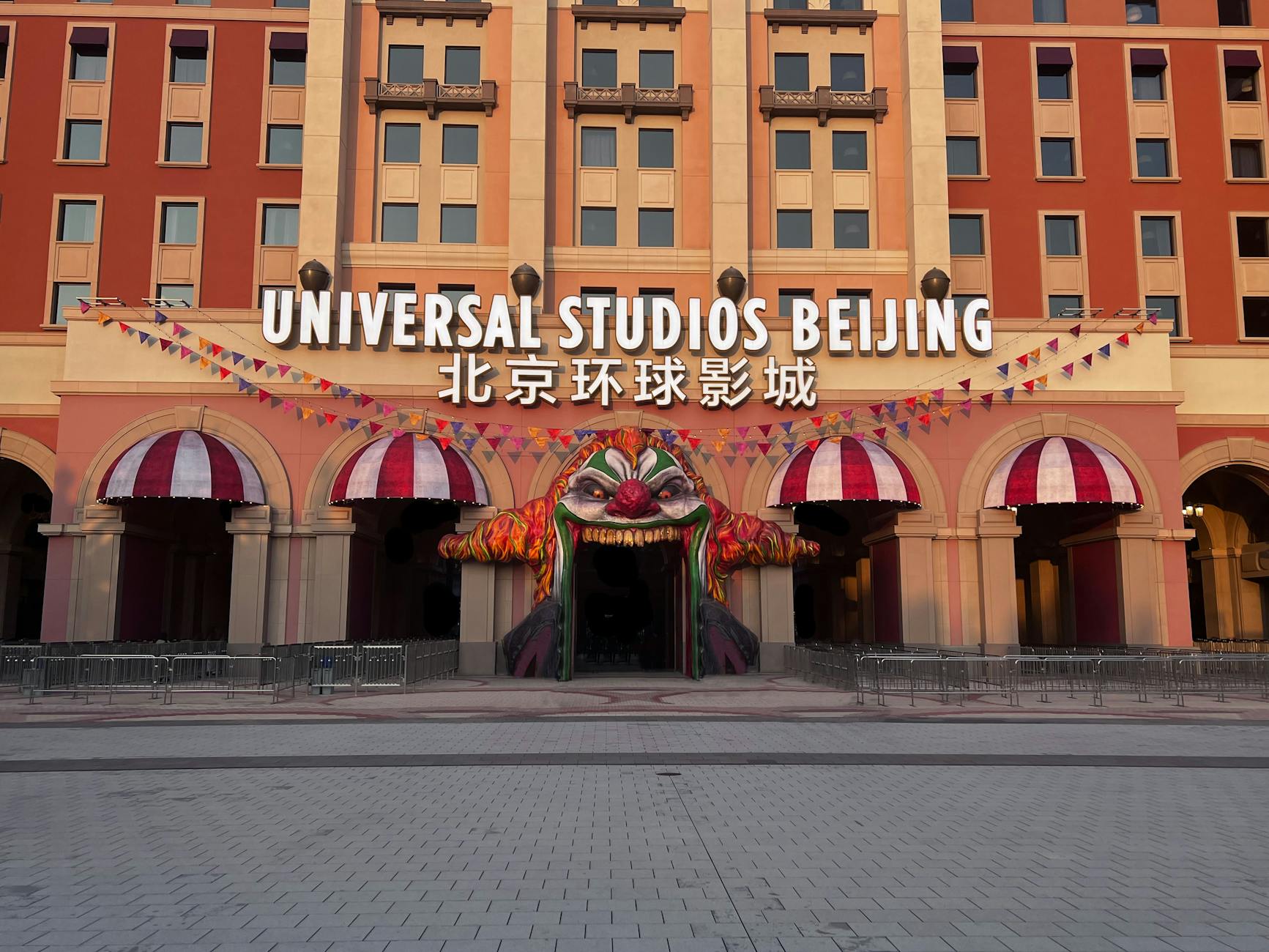
Universal took a very different, and frankly forward-thinking, path. Rather than building its own eligibility interview, Universal partners with the International Board of Credentialing and Continuing Education Standards (IBCCES). This is the same body that certified Universal as a Certified Autism Center, and it’s a genuine strength of the resort, especially for autistic guests and their families. For the bigger picture on the resort itself, our Universal Orlando guide is the companion piece to this section.
The IBCCES Accessibility Card (IAC) and Attraction Assistance Pass
Here’s the workflow, and it’s the single most-missed step I see:
- Register for the free IBCCES Accessibility Card (IAC) online at AccessibilityCard.org or via the IBCCES app. You’ll provide documentation of your needs.
- Complete registration at least 48 hours before your visit. You can start as early as 30 days out. Do not leave this to the last minute, because 48 hours is a hard floor.
- Once your IAC is approved, a Universal team member contacts you to discuss your specific accommodation, then you finalize the Attraction Assistance Pass (AAP) at Guest Services when you arrive.
The AAP works like Disney’s old DAS: instead of waiting in the standby line, you receive a return time and enter through the express queue when it’s your turn. In Orlando, the pass covers the cardholder plus up to five companions, for a party of six. The IAC itself is valid for one year and is reusable at other IBCCES-participating attractions, including SeaWorld and many others, so it’s worth registering even if Orlando is only one stop on a bigger trip.
Universal’s Autism and Sensory Strengths
Universal’s Certified Autism Center status is not just a sticker. Team members receive autism-specific training, and the resort publishes detailed sensory guides rating each attraction for sensory factors (sound, light, motion, smell, and the like). The new Epic Universe park has continued this approach. If autism or sensory processing is your primary concern, Universal is the resort I most often recommend families start their planning with.
How SeaWorld Orlando Handles Accessibility
SeaWorld is smaller and quieter than the mega-resorts, which can itself be an accessibility advantage. Its system is the Ride Accessibility Program (RAP).
You enroll in person at Guest Services on arrival. Rather than a single pass, RAP gives you a personalized list of every ride with its specific boarding requirements, so you and any companions know exactly what’s accessible before you queue. For sensory needs, SeaWorld leans on its IBCCES Certified Autism Center designation, with Sesame Street Land certified specifically. There’s a quiet room inside the childcare facility in Sesame Street Land (with an occupied/vacant indicator for privacy) and a designated low-stimulation quiet area between Dolphin Cove and Turtle Trek. SeaWorld also publishes a downloadable accessibility guide covering physical, visual, hearing, autism, and sensory needs. You can reach Guest Services at (407) 545-5550.
One thing I appreciate about SeaWorld is that the experience leans heavily on animals and shows rather than high-intensity thrill rides, which makes it a gentler introduction for guests who find the sensory load at the bigger parks overwhelming. The animal habitats, the dolphin and orca presentations, and the slower attractions give families natural opportunities to pace the day. Because the park is also less sprawling than Disney’s four-park resort, the walking distances are more manageable, a real consideration for anyone with limited stamina or a mobility condition. If your IAC from Universal is still valid (remember, it lasts a year), SeaWorld participates in the same IBCCES program, so you may be able to streamline the sensory accommodation process across both. Always confirm at Guest Services, since the in-park enrollment for RAP itself is still done on arrival.
Disney vs Universal vs SeaWorld: Accessibility at a Glance
| Feature | Walt Disney World | Universal Orlando | SeaWorld Orlando |
|---|---|---|---|
| Queue accommodation | DAS (narrowed to developmental disabilities) + Queue Re-Entry, Rider Switch | Attraction Assistance Pass (AAP) | Ride Accessibility Program (RAP) |
| Pre-registration | Video chat, 2–30 days before | IBCCES IAC, online, 48+ hrs before (up to 30 days) | In person at Guest Services on arrival |
| Autism certification | Sensory guides & break areas | Certified Autism Center (resort-wide training) | Certified Autism Center (Sesame Street Land) |
| Wheelchair (in-park) | ~$12/day | ~$13/day | ~$15/day |
| ECV/scooter (in-park) | ~$50–65/day + deposit | ~$65/day + deposit | ~$45–50/day + deposit |
| Service animals | Welcome; relief areas mapped | Welcome; relief areas mapped | Welcome; relief areas mapped |
| Companion party size | Varies by attraction | Up to 6 total (AAP) | Set by RAP per ride |
Prices are approximate, change frequently, and exclude refundable deposits. Confirm current rates with each resort.
Mobility: Wheelchairs, ECVs, and the Off-Site Money-Saver
Orlando parks are enormous. Even guests who walk fine at home routinely log eight to twelve miles a day here, so mobility equipment is worth considering far more broadly than just for full-time wheelchair users.
Renting In-Park
Each resort rents manual wheelchairs (roughly $12–$15/day) and electric conveyance vehicles, or ECVs (roughly $45–$65/day plus a refundable deposit). The catch: in-park rentals are first-come, first-served with no reservations, they can sell out on busy mornings, and crucially, they cannot leave the park. You surrender the equipment when you exit, so you have nothing for the parking lot, the resort, or the transit to and from your hotel.
Why Off-Site Rental Usually Wins
This is one of the biggest gaps I see in other guides. Independent Orlando rental companies will deliver a scooter or wheelchair to your hotel and pick it up at the end of your stay, and the savings are real, daily rates often start around $27 with multi-day discounts, versus $50–$65 in-park. The equipment is yours around the clock: in the parking lot, at the hotel pool, at dinner, on a Disney Springs evening. Reputable Orlando vendors include ScooterBug (Disney’s official featured provider, which can stage equipment at Disney resort Bell Services), plus independents like Buena Vista Scooters, Scootarama, and Scooter King Orlando. Book a week or two ahead in peak season. For most multi-day trips, off-site is both cheaper and far more convenient.
A couple of details worth knowing before you book off-site. Disney distinguishes between its “Featured Provider” (ScooterBug), which is authorized to leave equipment with Bell Services at Disney Resort hotels so you don’t have to be present for handoff, and other independent companies, which generally require you to meet the driver in person for delivery and pickup. If you’re staying off-property, any reputable vendor will deliver to your hotel front desk or meet you in the lobby. When you compare quotes, check three things: whether the daily rate drops for longer rentals, whether delivery and pickup are included or charged separately, and what the battery range and weight capacity are, a heavier guest or a very long park day needs a robust battery. Finally, practice driving the scooter in an open area before you hit a crowded park; ECVs handle differently than you’d expect, and the parks are tight in spots.
Getting Around the Resorts on Wheels
Orlando’s theme park transportation is broadly accessible, but the modes differ. Disney’s buses kneel and deploy ramps, and drivers are trained to secure ECVs and wheelchairs; the monorail and the Disney Skyliner gondola are both wheelchair- and ECV-accessible, though the Skyliner gondolas keep moving while you board, so a cast member will slow or stop a cabin if you need it. Universal’s parking-to-park journey involves moving walkways and escalators, with elevators available as the accessible alternative, and water taxis at the CityWalk hub are boarded with assistance. Build a little extra time into transitions: loading mobility equipment onto a bus or boat takes a few minutes, and it’s far less stressful when you’re not racing a dining reservation.
Stroller-as-Wheelchair Tag
If you’re traveling with a child or smaller adult who can walk short distances but can’t tolerate long queues or needs a familiar seated space, ask Guest Relations for a stroller-as-wheelchair tag. You attach the bright tag to your own (or a rented) stroller, and from then on cast members treat it like a wheelchair, including bringing it into queues and waiting areas where strollers normally aren’t allowed. It’s a simple, free accommodation that transforms the day for a lot of families. Pair it with the advice in our Orlando stroller guide to choose the right stroller in the first place.
Sensory, Autism, and Cognitive Support
This is where Orlando shines, and where a little preparation pays off enormously. The parks are loud, bright, crowded, and unpredictable, exactly the conditions that overwhelm a sensory system. The good news: every resort now gives you tools to manage it.
Sensory Guides and the Disney App
All three resorts publish sensory guides rating attractions on factors like loud noises, sudden movements, flashing lights, strong smells, and darkness. Disney’s Sensory Experience Details live in the official app and on the website, so you can preview each ride and decide before you board. I genuinely recommend reading these together with your child the night before, previewing what’s coming removes a huge amount of in-the-moment anxiety.
Quiet and Break Areas
Knowing where to decompress is half the battle. Some reliable lower-stimulation spots:
- Disney: The air-conditioned lobby of The Hall of Presidents and walk-through exhibits like the Swiss Family Treehouse (Magic Kingdom) or the Gorilla Falls Exploration Trail (Animal Kingdom) tend to be calm and uncrowded. Cast members can point you toward designated break areas.
- SeaWorld: The quiet room in Sesame Street Land’s childcare facility and the low-stimulation zone between Dolphin Cove and Turtle Trek.
- Universal: Quieter corners and indoor, slower-paced attractions; ask team members for the nearest calm spot.
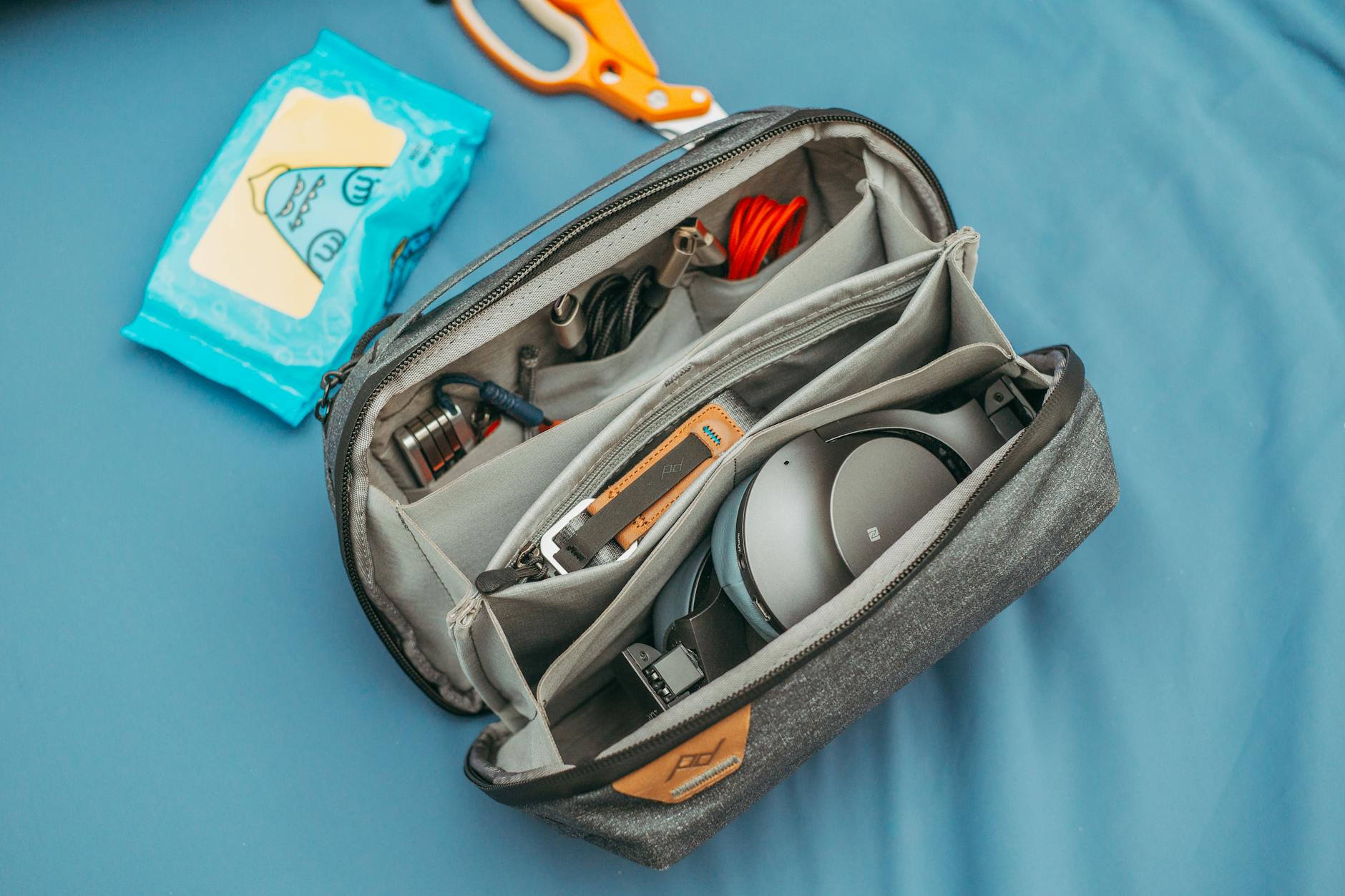
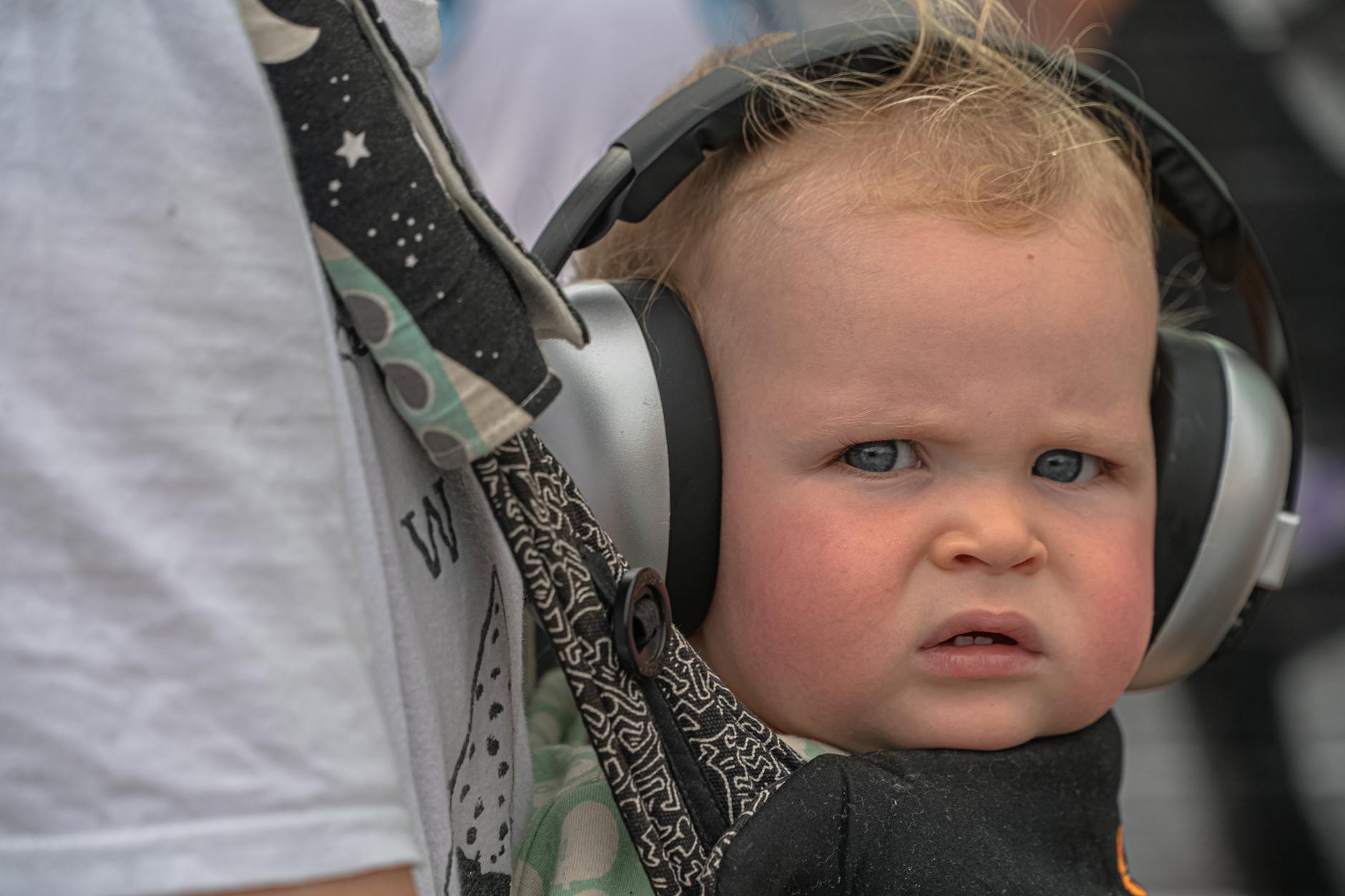
Bring noise-reducing headphones, a familiar comfort item, sunglasses, and a fidget or two. A timed touring plan that front-loads must-do rides and builds in scheduled breaks beats a “see everything” approach every time. Our guide to the best Orlando park by age can help you match the right park and pace to your traveler.
A strategy I lean on heavily is what I call the “half-day rule” for sensory-sensitive travelers: rather than gritting through open-to-close marathons, plan to be in the parks for the cooler, calmer morning hours, return to the hotel for a genuine midday rest (pool, nap, quiet room), then decide in the afternoon whether a relaxed evening visit makes sense. This single change prevents more meltdowns than any in-park tool, because it removes the accumulated overstimulation before it boils over. Crowd levels matter too: weekdays outside school holidays are dramatically calmer than weekends and peak seasons, and an early arrival before the gates fill gives you the quietest version of any park you’ll see all day. For cognitive support, social stories, the short, illustrated narratives that walk a child through exactly what to expect at a ride or character meet, are genuinely powerful, and Disney’s and Universal’s sensory guides give you the raw material to build them.
Hearing and Visual Accommodations
Disney offers the most extensive sensory-disability tech of the three, and most of it is free or backed by a small refundable deposit.
For Guests Who Are Deaf or Hard of Hearing
- Assistive listening: A handheld amplified audio device for shows and attractions, available at Guest Relations with a refundable deposit (around $25), returned the same day.
- Handheld captioning: A portable device displaying on-screen text in select attractions and theaters, same deposit structure.
- Video captioning: Caption-ready monitors marked with a “CC” symbol in many pre-show and exhibit areas; some attractions support triggered captioning via a remote device.
- ASL interpretation: Offered at select live shows on a rotating weekly schedule at no charge. Check the current schedule at Guest Relations or by calling Disney’s disability services line.
For Guests with Low Vision or Blindness
- Audio Description: The Disney handheld device provides audio description that supplements the visual elements of attractions.
- Guest Assistance Packets: Available for many attractions, these contain dialogue and narration text, a flashlight, and paper and pencil to support communication.
- Braille and digital guidemaps and stationary braille maps are available at park entrances.
Universal and SeaWorld offer comparable assistive listening and described-experience options; check each resort’s accessibility guide for the current device list, as the specific technology is updated periodically.
Parking, Restrooms, Dining, and Medical Needs
Accessible Parking
Every resort provides designated accessible parking close to the entrances and transportation hubs; display your valid disability parking permit and tell the attendant on arrival. Disney’s parking lots are vast, so the closer accessible rows save meaningful walking even if you’re using a scooter.
Companion and Accessible Restrooms
All three resorts have companion (family) restrooms throughout the parks, private single-occupancy rooms ideal for a guest who needs assistance from a caregiver of a different gender, or simply a calmer, more private space. These are marked on park maps and in the apps.
Dietary and Medical Needs
Orlando’s parks handle food allergies and special diets exceptionally well, table-service restaurants will connect you with a chef, and quick-service locations have allergy-friendly menus. For the full playbook, see our Orlando theme park packing list, which covers what medical and dietary supplies to bring. You’re allowed to bring your own food for medical or dietary reasons, along with necessary medications, cooling items, and small medical devices. If you need to refrigerate insulin or store medication, first aid stations in every park can help.
Your Pre-Trip Accessibility Prep Checklist
Here’s the sequence I now follow for every accessibility-minded trip. If you’re brand new to all of this, pair it with our first-time Orlando theme parks guide.
- 4–6 weeks out: Decide which resorts you’re visiting and read their accessibility guides cover to cover.
- 30 days out: Register for Universal’s IBCCES Accessibility Card if you’re visiting Universal or SeaWorld. Book off-site mobility equipment for hotel delivery.
- 2–30 days out: Complete Disney’s DAS video chat if a developmental disability applies. Have your documentation and the guest who needs the accommodation present.
- 1 week out: Download each park’s app and read the sensory guides. Build a touring plan with scheduled breaks.
- Pack: Disability parking permit, noise-reducing headphones, sunglasses, comfort items, medications, dietary snacks, and any required documentation.
- Day of: Visit Guest Relations early to finalize any in-park passes (AAP, RAP), request a stroller-as-wheelchair tag, pick up assistive devices, and grab a service-animal relief-area map.
One last piece of encouragement: don’t let the logistics intimidate you. Once the pre-registration is done, the parks themselves are remarkably welcoming, and the cast and team members are, in my experience, genuinely glad to help. A little planning buys you a lot of magic. If Magic Kingdom is on your list, our Magic Kingdom guide pairs well with everything above.
Frequently Asked Questions
Does a physical disability or being in a wheelchair qualify for Disney’s DAS?
Usually not anymore. Since May 2024, DAS is intended primarily for guests with developmental disabilities like autism who cannot wait in a conventional queue. Because nearly all Disney queues are now wheelchair- and ECV-accessible, guests with purely physical or mobility needs are generally directed to wait in the standard line with their equipment, or to use Rider Switch and Queue Re-Entry rather than DAS.
Do I really have to register before I arrive at Universal?
Effectively, yes. Universal’s Attraction Assistance Pass requires an approved IBCCES Accessibility Card, and IAC registration must be completed at least 48 hours before your visit (you can start up to 30 days out). Walking up on the day without an approved IAC means you likely won’t get the queue accommodation that day, so register early.
Is it cheaper to rent a scooter or wheelchair off-site instead of in the park?
Almost always. In-park ECVs run roughly $50–$65 per day, can’t leave the park, and aren’t reservable, while off-site companies deliver to your hotel for daily rates often starting around $27 with multi-day discounts, and the equipment is yours 24/7. For any multi-day trip, off-site is typically both cheaper and more convenient.
Are service animals allowed in Orlando theme parks?
Yes. Disney, Universal, and SeaWorld all welcome trained service animals (dogs, and at Disney also miniature horses) throughout their parks. The animal must be leashed or harnessed and under control at all times. Emotional support animals do not qualify. Each resort provides marked service-animal relief areas; pick up a map at Guest Relations.
What’s the best park for a child with autism or sensory sensitivities?
Many families find Universal a strong starting point thanks to its resort-wide Certified Autism Center training and detailed sensory ratings, while SeaWorld offers a calmer pace and dedicated quiet spaces in Sesame Street Land. Disney provides excellent sensory guides and break areas too. The best choice depends on your traveler, preview the sensory guides together and plan generous breaks at whichever park you choose.
Will these accessibility policies still be accurate when I visit?
The framework will likely hold, but specifics, registration windows, prices, device lists, and DAS eligibility wording, change regularly and sometimes with little notice. Use this guide to plan, then verify the current details directly with each resort’s official accessibility pages or disability services line a couple of weeks before your trip.