Taking kids to Orlando is the trip they’ll remember for the rest of their lives, and the one most likely to break you if you wing it. The parks reward planning and punish improvisation, especially with a stroller, a nap schedule, and a four-year-old who has strong opinions about which princess is acceptable. The good news is that almost every hard part has a workaround once you know it exists.
This guide covers which parks suit which ages, how rider swap lets both parents ride without splitting up, the height requirements that quietly decide half your day, and the dining, stroller, and touring strategies that keep everyone fed, moving, and mostly cheerful.
Orlando Theme Parks with Kids: Your 2026 Family Guide
Planning a trip to Orlando theme parks with kids can feel overwhelming. With four major amusement parks, two water parks, and countless attractions, families need a strategic approach to maximize fun while minimizing stress. This comprehensive guide covers everything you need to know about visiting Orlando theme parks with kids, from toddlers through teenagers, with insider tips on rider swap, stroller strategies, kid-friendly dining, and family-optimized touring plans for 2026.
Whether you’re planning your first family Orlando vacation or returning for another adventure, understanding which Orlando theme parks with kids work best for your family’s age groups is essential. Each park offers unique attractions designed for different developmental stages, and knowing how to navigate them efficiently can transform your trip from chaotic to magical.
Which Orlando Theme Parks Are Best for Kids? Age-by-Age Breakdown
Not all Orlando theme parks with kids are created equal when it comes to different age groups. Understanding which parks cater to your children’s developmental stage helps you prioritize your time and budget. Magic Kingdom consistently ranks as the best Orlando park for kids ages 0-8, with gentle attractions, character experiences, and magical theming designed specifically for young families.
Toddlers (Ages 0-3): Best Parks for the Littlest Visitors
For the youngest family members, Magic Kingdom at Walt Disney World remains the ultimate destination for a family Orlando vacation. Fantasyland’s gentle attractions like “It’s a Small World,” Dumbo, and The Many Adventures of Winnie the Pooh feature minimal height requirements and immersive theming that captivates toddlers. Peppa Pig Theme Park in Winter Haven offers themed toddler-sized attractions and characters that younger children recognize.
LEGOLAND Florida‘s Duplo Valley provides construction-themed play areas and rides scaled for toddlers, while SeaWorld’s Sesame Street Land features beloved characters in an environment specifically designed for families with young children. These destinations offer excellent baby care centers, nursing rooms, quiet spaces for meltdowns, and stroller-friendly navigation—critical factors for families with toddlers on their family-friendly Orlando trip.
SeaWorld Orlando‘s Sesame Street Land deserves special mention for families bringing toddlers to Orlando theme parks with kids. The area features gentle rides like Elmo’s Choo Choo Train and Cookie Drop with no height requirements, plus interactive splash pads and a dry play area for the youngest visitors. The Sesame Street parade features all the beloved characters at toddler-friendly eye level, and the smaller crowds in this area compared to Disney or Universal mean shorter waits and a less overwhelming atmosphere for sensory-sensitive little ones.
Preschoolers (Ages 3-5): Expanding Horizons
Preschoolers start accessing more attractions, making this the sweet spot for expanding your Orlando theme parks with kids itinerary. Magic Kingdom remains essential, but now LEGOLAND becomes highly appealing with hands-on building activities and rides matching this age group’s interests. Hollywood Studios offers Toy Story Land attractions perfect for this age, while SeaWorld provides interactive shows and Sesame Street experiences.
At this stage, children often meet height requirements for moderate attractions (typically 36-40 inches), allowing parents to use rider swap strategies to experience more park content. Your family Orlando vacation becomes more efficient as preschoolers develop better focus for shows, character meet-and-greets, and immersive attractions. Stroller rental remains worthwhile for mid-day breaks, but many families transition to selective stroller use during park visits.
Elementary School (Ages 6-10): The Sweet Spot
Elementary-aged children unlock access to most Orlando theme parks with kids attractions while still maintaining the wonder and enthusiasm that makes family Orlando trips special. This age group can handle most Disney attractions, enjoy Universal rides like Forbidden Journey and Gringotts, and tackle moderate thrill rides at SeaWorld. Epic Universe‘s new Super Nintendo World and How to Train Your Dragon areas offer perfect attractions for this developmental stage.
Children ages 6-10 typically meet the 40-44 inch height requirements, accessing coasters and adventure attractions without overwhelming younger siblings. This age group benefits tremendously from proper planning—knowing which rides require height measurements, understanding rider swap procedures, and strategically scheduling attraction order prevents meltdowns and maximizes fun during your family-friendly Orlando vacation.
Tweens (Ages 11-13): Seeking Thrills
Tweens want to feel grown-up and seek more intense experiences, making Universal Orlando and the new Epic Universe their ideal destination for Orlando theme parks with kids. The Wizarding World of Harry Potter appeals to this age group’s reading habits and pop culture preferences, while Islands of Adventure’s coasters and adventure rides satisfy growing thrill-seeking. Epic Universe’s five themed lands—including the Wizarding World, Super Nintendo World, and How to Train Your Dragon—provide perfect attractions for tweens.
At 11-13 years old, most children meet height requirements for thrill rides (typically 42-48 inches), expanding their park options significantly. These visitors enjoy more autonomy during family Orlando trips—they can split from parents using rider swap to experience different attractions, making tour strategy more complex but rewarding for mixed-age families. Tweens especially appreciate character interactions, photo opportunities, and dining experiences they feel are “cool” rather than strictly for kids.
Teens (Ages 14+): Maximum Thrills
Teenagers ready for serious thrills should prioritize Epic Universe, Islands of Adventure, and Universal Studios for the most intense Orlando theme parks with kids experiences. The new Epics Universe features world-class coasters alongside immersive lands based on popular franchises teens follow. Universal’s thrill ride portfolio includes Velocicoaster, Hagrid’s Magical Creatures Motorbike Adventure, and upcoming attractions designed for maximum intensity.
At this age, teenagers can navigate parks independently, make their own dining choices, and pursue different attractions from younger siblings. Family-friendly Orlando trips with teens work best when treating them as semi-independent visitors rather than children needing constant supervision. Offering flexibility in daily schedules, multiple dining options, and opportunities to experience age-appropriate thrills keeps teenagers engaged during extended family vacations.
Mastering Rider Swap: The Family Game-Changer for Orlando Theme Parks with Kids
Rider swap (also called child swap or baby swap) is perhaps the most valuable strategy for families at Orlando theme parks with kids. This free program allows parents with non-riding children to maximize attraction access without waiting twice for the same ride. Understanding how to use rider swap effectively transforms your family Orlando vacation from frustrating to fantastic.
How Disney’s Rider Swap Works
At Walt Disney World, parents approaching height-restricted attractions can ask a Cast Member about rider swap. One parent waits in the regular line with the non-rider while another parent rides immediately. When the first parent returns, they skip the full queue and ride next without re-queuing—no need to show a Lightning Lane or pay extra. This system works at all Disney parks for multiple riders, though group size affects logistics.
To maximize rider swap at Orlando theme parks with kids, identify height-restricted attractions before arriving and plan your touring strategy accordingly. Ride Big Splashy attractions (those with substantial wait times) during early park hours when queues are manageable, then deploy rider swap as backup attractions later when waits extend. Consider how many adults can split duties—single-parent families face challenges with rider swap, while groups of four or more grandparents, parents, and older siblings unlock maximum efficiency.
Universal’s Child Swap and SeaWorld Options
Universal Orlando offers similar child swap services at thrill attractions, though procedures vary slightly between parks. Ask team members at height-restricted attractions about child swap eligibility. SeaWorld provides comparable services, particularly valuable at water parks like Volcano Bay where height requirements apply to numerous slides and attractions. Each park has slightly different policies, so inquire with team members when your family reaches relevant attractions.
Stroller Strategy: Navigating Orlando Theme Parks with Kids

Stroller usage represents one of the most debated topics in family Orlando vacations. The right stroller strategy reduces fatigue, prevents meltdowns, and helps families visit more attractions comfortably. Disney charges $15 for single strollers, $25 for double strollers, $31.50 for multi-day single rentals, and $52 for multi-day double rentals. Universal charges similar prices with slightly different structures. Many families bring their own strollers, which are allowed in all Orlando theme parks with kids.
To Rent or Bring Your Own?
Bringing your own stroller saves money on multi-day family Orlando vacations but adds airport hassle and requires navigating with bulky equipment. Lightweight umbrella strollers work reasonably well in parks if you’re accustomed to them. Disney and Universal strollers are narrow, allowing easier navigation through crowded areas and through queue lines. Many families compromise by bringing lightweight strollers for parks and renting doubles for long shopping/dining days at Disney Springs.
Stroller parking areas exist at major attractions in Orlando theme parks with kids—during peak times, finding spots becomes challenging. Strategic timing helps: visit popular stroller destinations during parades or shows when most guests are seated. Pro tip—many families use strollers for cargo (bags, rain gear, snacks) rather than child transport for older elementary-aged children, effectively creating “stroller hacks” that extend usable stroller life during family theme park trips.
Stroller Considerations by Age
Toddlers (0-3) benefit most from strollers during all-day park visits. Preschoolers (3-5) need stroller breaks after 4-6 hours of walking and standing. Elementary-aged children (6-10) typically prefer walking but appreciate occasional breaks during slower afternoon periods. Tweens and teens rarely use strollers except in crowd-intensive environments or during extended shopping trips. Plan your stroller strategy based on your family’s composition and fitness levels—honest assessment prevents mid-trip frustration.
Understanding Height Requirements: Access Your Attractions at Orlando Theme Parks with Kids
Height requirements exist for safety at thrill attractions in Orlando theme parks with kids. Understanding the requirement tiers helps you assess which attractions your family can access. Common heights include 36 inches (many LEGOLAND and children’s coasters), 40 inches (moderate roller coasters), 42 inches (more intense rides), 44 inches (serious coasters), 48 inches (extreme thrill rides), and 54 inches (a few extreme attractions).
Before your family Orlando vacation, measure your children in shoes using the measuring area at your local store or print Disney’s official height-requirement chart. Knowledge of your children’s exact measurements prevents disappointment at attractions and helps guide daily itinerary planning. Many attractions offer child swap for non-riders, but confirming height requirements ahead prevents arrival-day surprises that dampen enthusiasm.

Kid-Friendly Dining at Orlando Theme Parks with Kids
Feeding kids properly during long park days impacts mood, energy, and overall vacation enjoyment. Orlando theme parks with kids offer dining options ranging from character experiences to quick-service favorites. Understanding your options prevents overpriced disappointments and dietary concerns during your family-friendly Orlando trip.
Character Dining Experiences
Character dining combines meals with guaranteed character meet-and-greets, appealing to kids who want interactive experiences. Cinderella’s Royal Table in Magic Kingdom offers premium pricing ($63-73 per adult, $37-43 per child) but includes royal character interactions and castle theming. Garden Grill at Epcot ($69-79 per adult, $39-49 per child) features Goofy and vegetable-based theming. Topolino’s Terrace in the new Epic Universe provides Italian theming with Mickey and friends.
1900 Park Fare at Grand Floridian offers character dining at lower prices ($39-49 per adult) while featuring Mary Poppins and Cinderella. These experiences work best when booked in advance—availability fills quickly for family Orlando vacations during peak seasons. The combination of food, atmosphere, and character interaction provides excellent value for photo-focused families, especially with toddlers who may not appreciate multi-hour attractions.
Cinderella’s Royal Table inside Magic Kingdom’s castle offers the most iconic character dining experience at Orlando theme parks with kids, though it comes at a premium price point ($62-79 per adult, $37-47 per child). The restaurant serves prix fixe meals while Disney princesses visit each table individually. Reservations open 60 days in advance and sell out within minutes for peak dates — set a phone alarm for 5:45 AM Eastern on your booking window opening day. Topolino’s Terrace at Disney’s Riviera Resort provides a more relaxed character breakfast alternative with Mickey, Minnie, Donald, and Daisy in artistic attire.
Garden Grill at EPCOT rotates slowly past Living with the Land greenhouse scenes while Chip, Dale, Mickey, and Pluto make table visits during family-style meals. The all-you-can-eat format works particularly well for families with growing kids who eat large portions. At Universal Orlando, the Superstar Character Breakfast at Café La Bamba features characters from Illumination films including Minions and characters from Shrek and Kung Fu Panda. SeaWorld’s Sesame Street character dining at Voyagers Smokehouse brings Elmo, Cookie Monster, and Abby Cadabby to breakfast tables — a fantastic option for toddlers visiting Orlando theme parks with kids who may be too young for Disney princess interactions.
Quick-Service Favorites for Kids
Quick-service dining dominates most family-friendly Orlando trips due to lower costs and faster service. All Orlando theme parks with kids offer kid’s meals (typically $10-15) featuring chicken fingers, pizza, hot dogs, burgers, and mac-and-cheese. Mobile ordering through My Disney Experience and Universal’s app streamlines the experience, reducing wait frustration during peak times.
Fan favorites include Sunshine Tree Terrace for Citrus Swirls, Pinocchio Village House for Italian subs, and Tortuga Tavern at Animal Kingdom. At Universal, Backlot Express and Woody’s Diner provide solid quick options. SeaWorld’s dining leans toward seafood and grilled meats with kid options available. Pack extra snacks in your bag—park security allows outside food and drinks, helping budget-conscious families on extended trips.
Allergy-Friendly Dining
Families managing food allergies at Orlando theme parks with kids should notify Cast Members and team members before ordering. All parks maintain allergy protocols, prep separate meals, and avoid cross-contamination. Disney’s mobile app identifies allergen information; arrive early to discuss special needs with managers who authorize substitute meals when needed.
Baby Care Centers: Essential Facilities at Orlando Theme Parks with Kids
Families with infants need reliable baby care facilities during extended park visits. All Walt Disney World parks maintain dedicated baby care centers with changing tables, nursing rooms, bottle warmers, and supplies. Magic Kingdom’s center is near the central hub; Epcot’s is in the Future World area; Hollywood Studios’ is in the main area; Animal Kingdom’s is in the Discovery River Theater area.
Universal’s Family Services areas provide similar facilities with changing stations and family bathrooms. SeaWorld’s baby care center, located in Sesame Street Land, offers shaded nursing rooms. LEGOLAND’s Duplo Valley includes baby care facilities scaled for toddler families. These quiet spaces provide relief from Orlando theme parks with kids chaos, offering places to cool down, nurse, change diapers, and escape crowds during overstimulation moments.
Epic Universe: New Opportunities for Family Orlando Trips
Universal’s Epic Universe, opening in 2025, creates a fourth Universal park dedicated to immersive experiences ideal for families. The park spans five themed worlds: Universal Studios Florida, Islands of Adventure, The Wizarding World of Harry Potter – Diagon Alley expansion, Super Nintendo World, and How to Train Your Dragon – Isle of Berk.
How to Train Your Dragon – Isle of Berk for Families
Isle of Berk introduces family-friendly attractions alongside thrilling experiences for Orlando theme parks with kids visits. Fyre Drill (an interactive water-cannon boat ride) and Viking Training Camp provide activities scaling from toddler-appropriate to advanced. The theming celebrates adventure and discovery, appealing to elementary-aged children while avoiding overly intense experiences unsuitable for younger visitors.
Super Nintendo World Attractions
Super Nintendo World represents a gamified environment perfect for families with gamers and Nintendo fans. Yoshi’s Adventure provides a gentle dark ride suitable for toddlers and preschoolers. Mario Kart: Bowser’s Challenge is an augmented-reality dark ride in which riders race Team Bowser through Mario Kart courses, and its 40-inch height requirement keeps it open to a broad age range. The land’s vibrant, colorful theming appeals particularly to elementary-aged children.
The How to Train Your Dragon – Isle of Berk area features Hiccup’s Wing Gliders, a family launch coaster suitable for adventurous kids meeting its 40-inch height requirement, while younger visitors enjoy Fyre Drill, a water-cannon boat ride with no minimum height, and Viking Training Camp’s interactive play areas with water features and climbing structures. Families visiting Orlando theme parks with kids should allocate a full day for Epic Universe, as the park’s five themed worlds each contain multiple attractions, dining venues, and immersive experiences designed for extended exploration.
Super Nintendo World’s Mario Kart: Bowser’s Challenge uses augmented reality technology that fascinates children of all ages, though the ride’s 40-inch height requirement excludes the youngest visitors. Yoshi’s Adventure offers a gentler ride through Mushroom Kingdom landscapes with a 34-inch height requirement, low enough for most preschoolers at Orlando theme parks with kids. The interactive Power-Up Bands (purchased separately) transform the entire land into a video game where families compete to collect digital coins and stamps by hitting question blocks scattered throughout the area.
The Wizarding World area within Epic Universe expands the Harry Potter experience significantly, adding a Ministry of Magic attraction and additional family-friendly spell-casting locations. For families who have already experienced Hogsmeade and Diagon Alley at the existing Universal parks, this third Wizarding World location provides fresh magical encounters. Dark Universe and Classic Monsters areas cater more to older children and teens, with attractions based on iconic monster films that may be too intense for children under 8.
Character Meet-and-Greets: Creating Magical Moments at Orlando Theme Parks with Kids
Character interactions represent the most emotionally rewarding experiences for young visitors at Orlando theme parks with kids. Disney maintains scheduled character appearances and spontaneous encounters throughout parks. Using the My Disney Experience app, families can check character appearance times and queue strategy. Early park hours offer shorter waits; popular characters like Cinderella and Mickey have substantial lines during mid-day.
Strategy-focused families prioritize character-with-short-waits first thing in the morning, then shift to attraction-focused activities as queues build. For families with multiple children of different ages, character dining serves as efficient alternative—guaranteed interaction without multi-hour waits. Universal similarly offers character appearances, particularly in The Wizarding World and themed areas, though formal scheduling is less predictable.

Family Touring Strategies: Maximizing Your Orlando Theme Parks with Kids Visit
Successful family-friendly Orlando trips require strategic planning balancing toddler nap schedules, older sibling thrill-seeking, and parental sanity. Different strategies work for different age combinations. The rope-drop strategy (arriving at park opening and riding popular attractions before crowds build) works well for morning-energetic families. The mid-day break strategy (returning to hotels for afternoon naps and pool time) preserves evening energy for later attractions.
Rope Drop Strategy for Mixed-Age Families
Arrive at park gates 30 minutes before official opening for Orlando theme parks with kids visits. Cast Members open rope areas early, and registered resort guests access even earlier. Head immediately to anchor attractions where toddlers struggle with long queues—this strategy secures Big Splashy coasters and popular attractions before crowds. Pace matters; avoid running (kids can’t maintain pace), walk quickly with purpose instead.
Rope-drop works best for families with preschoolers and older children together. Toddlers still require stroller navigation, but shorter queues of 15-30 minutes feel manageable. Tackle one anchor attraction per park section (Fantasyland, Tomorrowland, Frontierland), then diversify based on age groups. Bring water bottles and light snacks—early park hours are crowded with quick-hitting visitors attempting identical strategies.
Mid-Day Break Strategy
Families with toddlers often benefit more from mid-day breaks than rope-drop intensity. Visit Orlando theme parks with kids for morning attractions (8am-11am), return to resort (11am-3pm) for lunch, nap, and pool time, then return for afternoon/evening attractions (4pm-10pm). This approach dramatically improves toddler behavior, reduces parental exhaustion, and spreads attraction visits across three periods rather than cramming into one day.
Mid-day break strategy requires staying on-property or nearby. Disney Magic Hours offer extended access for resort guests, providing crowd-reduction periods mid-day. This strategy doesn’t maximize daily attendance but optimizes family experience and happiness—often a worthwhile trade-off for families prioritizing vacation quality over quantity.
Lightning Lane and Family Optimization
Disney’s Lightning Lane system allows skip-the-line access at attractions through paid add-ons (Individual Lightning Lane) or bundles (Lightning Lane+ Multi Pass covering multiple attractions daily). For families at Orlando theme parks with kids, strategic Lightning Lane use works better than purchasing everything. Target one or two high-demand attractions where your entire family meets height requirements; combine with rider swap for other attractions.
Universal similarly offers Express Passes (additional cost) allowing skip-the-line at most attractions. For families visiting during low-to-moderate crowds, standard queues remain manageable. Express Passes justify cost primarily during peak seasons (summer, holidays) when regular waits exceed 90 minutes for popular attractions. Budget-conscious families prioritize strategic arrival timing and rider swap over paid Express upgrade.
For families weighing the Lightning Lane investment at Orlando theme parks with kids, consider your children’s ages and ride tolerance. Families with children under 6 rarely need Lightning Lane Multi Pass since most age-appropriate attractions have shorter waits naturally. However, families with children ages 7-14 benefit enormously from skip-the-line access to popular attractions like Seven Dwarfs Mine Train, Slinky Dog Dash, and Guardians of the Galaxy: Cosmic Rewind where standby waits regularly exceed 60-90 minutes during moderate crowd levels.
A cost-effective family strategy involves purchasing Lightning Lane for your busiest park day only — typically Magic Kingdom or Hollywood Studios where wait times run longest. For other park days, use rope drop, mid-day breaks, and end-of-day visits to manage queues without the added expense. At Universal, families staying at Premier or Preferred hotels receive complimentary Express Pass access, which can save hundreds of dollars for a family of four visiting Orlando theme parks with kids over multiple days.
Water Parks: Cooling Off on Your Family Orlando Vacation
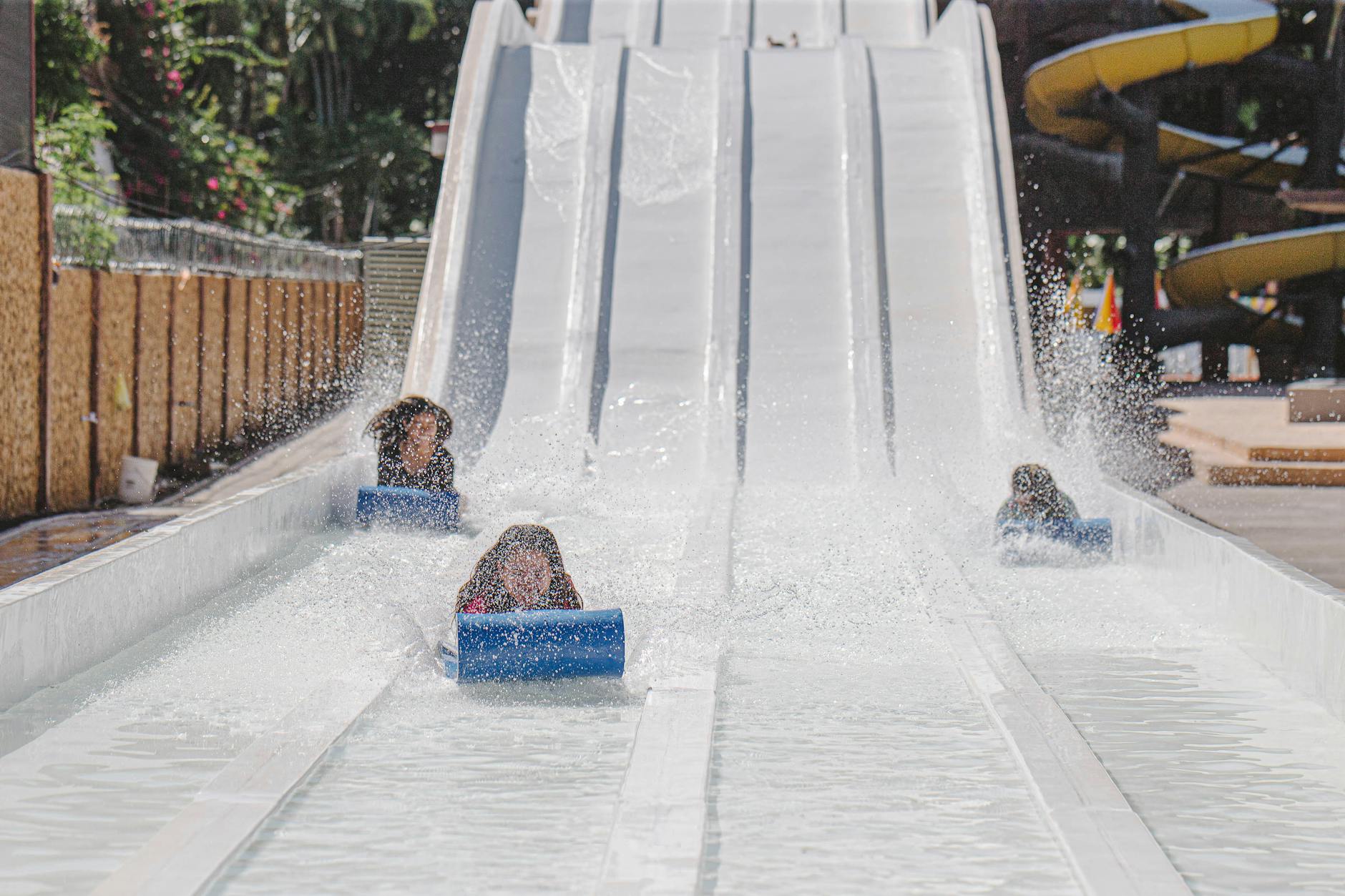
Water parks offer breaks from intense theme parks while cooling off during hot Florida days. Disney’s Typhoon Lagoon and Blizzard Beach feature wave pools, lazy rivers, and water slides. Aquatica near International Drive offers SeaWorld-themed water attractions and dolphin interactions. Volcano Bay at Universal provides more thrill-focused water slides alongside relaxing lazy river experiences.
Best Water Parks by Age Group
Typhoon Lagoon works well for families with mixed ages thanks to Castaway Creek (lazy river), Ketchakiddee Creek (toddler-focused area), and slides for older children. Blizzard Beach appeals more to families with elementary-aged children and older due to more intense slides. Aquatica offers unique marine-themed slides and dolphin encounters. Volcano Bay provides the most thrill-focused experience suitable for tweens and teens seeking excitement.
Many families include one water park day during multi-day family Orlando vacations, providing welcome relief from intense theme parks. Unlike major parks, water parks allow outside food and drinks, reducing dining costs significantly. Consider visiting water parks on less-intense days—they require less strategic planning and allow families to relax rather than race against operational crowds.
Sensory-Friendly Resources at Orlando Theme Parks with Kids
Families navigating sensory processing challenges, autism spectrum conditions, or other special needs find increasingly robust support systems at Orlando theme parks with kids. Walt Disney World offers the Disability Access Service (DAS) allowing guests who cannot wait in conventional queues to receive return times for attractions. The DAS registration process now begins online before your trip, and families should register 2-30 days before their park visit through the My Disney Experience app or by video call with Disney cast members.
Universal Orlando provides an Attractions Assistance Pass (AAP) available at Guest Services inside each park. The AAP functions similarly to Disney’s DAS, providing return times based on current standby wait times. SeaWorld Orlando offers a Ride Accessibility Program at Guest Services. For all three resort groups, bringing documentation from your child’s healthcare provider helps streamline the accommodation process, though it is not technically required at most locations.
Beyond queue accommodations, Orlando theme parks with kids who have sensory sensitivities should know about quiet spaces and low-stimulation areas. Magic Kingdom’s Tom Sawyer Island offers a natural break from crowds and noise. EPCOT’s gardens and walkways between pavilions provide breathing room. Universal’s DreamWorks Land includes softer, gentler attractions ideal for children who become overwhelmed by intense ride experiences. Many families create visual schedules and social stories before their trip, using photos and videos from park websites to help children preview what they will experience.
Noise-canceling headphones, familiar comfort items, and a written plan for quiet retreat spots should be part of every special-needs family’s park bag when visiting Orlando theme parks with kids. Some families schedule shorter park days (4-5 hours instead of full days) and use park-hopper options to visit during less crowded evening hours when sensory stimulation tends to decrease. The key is building an itinerary around your child’s specific needs rather than trying to follow a standard touring plan.
Practical Tips for Success at Orlando Theme Parks with Kids

Pack Smart: What to Bring to Orlando Theme Parks with Kids
Successful family visits to Orlando theme parks with kids depend on smart packing. Bring sunscreen (reapply frequently), water bottles (refillable at any park), snacks (whole foods, protein items sustain energy better than candy), and a light jacket (overzealous air conditioning surprises visitors). Pack a small bag containing phone chargers, blister relief supplies, pain medication, and basic first aid items.
Include wipes, hand sanitizer, and tissues. Many families pack zip-lock bags for wet items, phones, and valuables. Comfortable shoes are non-negotiable—park visits involve 20,000+ steps daily. Avoid packed-tight backpacks; small daypacks distribute weight comfortably. Some families use fanny packs or crossbody bags to keep hands free while navigating crowds and stroller pushing.
Hydration and Sunscreen Discipline
Florida’s intense sun and heat create serious dehydration risks, particularly for young children. Hydration prevents meltdowns, heat exhaustion, and exhaustion-related injuries. Carry refillable water bottles—all Orlando theme parks with kids provide free water at Quick-Service locations and drinking fountains. Encourage drinking at regular intervals, not just when thirsty.
Sunscreen application requires discipline in theme parks. Apply before entering parks, then reapply every 2-3 hours or after water rides. Many families apply before breakfast, at lunch, at afternoon snack time, and before evening attractions. Lightweight long sleeves and sun hats reduce reapplication frequency while protecting skin more effectively than sunscreen alone.
Safety: ID and Communication Methods
Separation anxiety affects both kids and parents at Orlando theme parks with kids. Establish communication systems before trip day. Families now use AirTags attached to children’s wrists, belts, or shirts as backup identification if separation occurs. Ensure older children carry written information with parents’ cell numbers and resort addresses.
Matching family shirts—either custom-printed or purchased at park gift shops—help reunite separated families in crowds. Establish a meeting location in case of separation. Disney Cast Members assist lost children efficiently; go to any Cast Member or Guest Services area if your child becomes lost. Most separations resolve within minutes, but preparation reduces panic.
Managing Meltdowns and Overstimulation
Sensory overload happens at Orlando theme parks with kids. Long waits, crowds, loud noises, bright lights, and excitement trigger meltdowns in even well-behaved children. Identify quiet spaces—baby care centers, designated quiet areas, less-popular attractions—where kids can calm down. Take breaks before meltdowns occur rather than reacting after breakdown starts.
Plan park days with realistic expectations. Young children simply cannot process 12-hour park days effectively; 4-6 hours works better for toddlers and preschoolers. Building in rest time, allowing flexibility in itineraries, and accepting that some attractions won’t get visited reduces family stress and prevents escalating meltdowns.
Rain Plan Flexibility
Florida summer storms happen quickly and clear equally fast. Most attractions remain open during light rain. Heavy rain pushes crowds indoors, causing indoor attractions to have longer waits. Build flexibility into your family Orlando vacation plans—maintain optional attractions you’ll pursue if weather shifts, rather than rigid itineraries assuming clear skies.
Packing rain ponchos (cheaper than park prices, similar quality) helps families decide whether to brave rain or seek shelter. Some families view rain as opportunity—lower crowds outdoors, chance to explore gift shops or dining without fighting crowds. Others cut park days short or shift to indoor activities when heavy rain persists.
Planning Your Family-Friendly Orlando Trip: Timeline and Resources
Planning an effective family Orlando vacation requires advance work. Start 3-6 months ahead for peak seasons to secure accommodations, character dining reservations, and preferred touring days. Begin with a vision statement—what do YOU want from Orlando theme parks with kids? Character experiences? Maximum attraction counts? Relaxed pace? This clarifies all downstream decisions.
Research which parks suit your family’s ages and interests using park maps, rider height charts, and attraction descriptions. Our comprehensive Orlando Theme Parks Guide provides detailed information about all major destinations. Walt Disney World Guide covers all four Disney parks in detail, while Universal Orlando Guide covers Universal properties.
For first-time visitors, our Where to Stay guide helps choose appropriate accommodations. The Tickets Guide explains ticket options and costs. The Dining Guide details food options across all parks. Our Best Time to Visit article helps optimize crowd-avoidance and weather considerations.
Budget-conscious families benefit from our Budget Guide, which details cost-reduction strategies without eliminating fun. Download park maps, familiarize yourself with attraction locations, establish height requirements, and make dining reservations. Consider guidebooks or YouTube channels covering specific parks and age combinations.
First-Time vs. Returning Families: Tailoring Your Orlando Theme Parks with Kids Experience
First-time visitors to Orlando theme parks with kids face fundamentally different planning challenges than returning families. If this is your family’s inaugural Orlando trip, focus on the iconic experiences rather than trying to see everything. At Magic Kingdom, prioritize Cinderella Castle, Space Mountain (for kids meeting the 44-inch requirement), Pirates of the Caribbean, Haunted Mansion, and the fireworks spectacular. At Universal, focus on the Wizarding World of Harry Potter and Jurassic World attractions. Trying to pack too many parks into a first visit creates exhaustion and diminishes the magic.
Returning families can shift strategy toward deeper exploration of Orlando theme parks with kids. Skip the headliner attractions you’ve already experienced and discover hidden gems — Tom Sawyer Island’s caves and barrel bridges at Magic Kingdom, the Seas with Nemo aquarium at EPCOT, or the lesser-visited animal trails at Animal Kingdom. Returning families also benefit from exploring parks they may have skipped previously, such as SeaWorld Orlando or LEGOLAND Florida, which often provide more relaxed experiences with shorter wait times than the Disney and Universal flagships.
Multi-generational trips — increasingly popular at Orlando theme parks with kids — require balancing the interests of grandparents, parents, and children simultaneously. Consider splitting up during the day, with grandparents enjoying leisurely EPCOT World Showcase exploration while parents take older kids on thrill rides, then reuniting for character dining or evening entertainment. Disney’s Genie+ and Universal’s Express Pass systems help multi-generational groups maximize limited shared time by reducing waits for the attractions everyone wants to experience together.
Your Complete 2026 Orlando Theme Parks with Kids Adventure Awaits
Visiting Orlando theme parks with kids represents one of America’s most iconic family experiences. With proper planning, age-appropriate attraction selection, strategic use of rider swap and touring techniques, and realistic expectations about family dynamics, your visit will create magical memories lasting decades. The key to successful family Orlando trips combines flexibility with strategy, allowing spontaneous magic while maintaining essential structure.
Whether your family includes toddlers experiencing theme parks for the first time, elementary-aged kids reaching height requirements for their first coasters, or teenagers seeking ultimate thrills, 2026 offers unprecedented options. Epic Universe’s new attractions, enhanced Disney experiences, and ongoing improvements across all Orlando theme parks with kids mean your family vacation will deliver wonder, adventure, and cherished experiences. Start planning today, and prepare for an unforgettable family-friendly Orlando adventure.
Remember that visiting Orlando theme parks with kids is a marathon, not a sprint. The most successful family vacations allow for flexibility and downtime. Build rest days into multi-park itineraries — a pool day at your resort, a visit to Disney Springs for leisurely shopping, or exploring nearby attractions like ICON Park on International Drive. These slower-paced days often produce the most memorable family moments and prevent the burnout that turns magical vacations into exhausting ordeals.
Technology has transformed how families experience Orlando theme parks with kids in recent years. Download official park apps before your trip — My Disney Experience, the Universal Orlando app, and the SeaWorld app all offer mobile ordering, wait time monitoring, and interactive maps. Teaching older kids to use these apps gives them ownership over the experience and reduces decision fatigue for parents. Many families also find that portable phone chargers are essential since GPS navigation, photo-taking, and app usage drain batteries quickly during long park days.
Family Guides for Every Age
From toddlers to teens, these guides cover the details of visiting Orlando with kids:
- Best Orlando Park for Each Age Group — toddlers to teens — which park suits which stage.
- Rider Swap & Child Swap Explained — how it works at every Orlando park so no adult misses a ride.
- Stroller Guide for Orlando Parks — rent, buy or bring your own, plus parking rules at each resort.
- Orlando Park Accessibility Guide — DAS, mobility, sensory needs and how to register in advance.
- Best Rides for Kids at Disney World — sorted by height requirement and how intense they really are.
- Best Rides for Kids at Universal — height limits and thrill levels across all three Universal parks.
- LEGOLAND Florida Guide — the best Orlando-area park for under-10s, and how it compares on price.
- Orlando Theme Parks for Teens — the coasters, food and freedom that keep older kids happy.
- Meeting Disney Characters — where and when to find them, and how to skip the longest queues.
- Sesame Street Land & Kids’ Areas — SeaWorld’s areas for the youngest visitors, plus Busch Gardens.
Epic Universe deserves its own planning session if you’re traveling with children. Nothing there needs more than 48 inches, yet a child under 34 inches can ride only two of its eleven rides, so the right approach depends heavily on how tall your kids are. Our guide to Epic Universe with kids covers every ride’s height minimum, the rides that scare children who are tall enough, and a family plan for the day.
Frequently Asked Questions About Orlando Theme Parks with Kids
What’s the minimum age to start visiting Orlando theme parks? Babies and infants can visit any park, though they won’t remember early visits. Most families start meaningful park visits around age 2-3 when toddlers develop sufficient focus for attractions and character interactions.
How many parks should we visit in one trip? This depends on your family’s energy levels and vacation length. First-time families typically find 2-3 parks comfortable; experienced families might tackle 4-5 parks over 7-10 days. Budget time for relaxation rather than maximizing park count.
Are multi-day tickets cheaper than single-day tickets? Yes. Multi-day tickets offer significant per-day savings compared to single-day prices, particularly for 5-7 day packages. For families planning multiple-park visits, multi-day tickets provide excellent value.
When’s the best time to visit Orlando with kids? Avoid summer (June-August), spring break, and winter holidays for lowest crowds. Late August, early September, and mid-January offer sweet spots combining smaller crowds with acceptable weather. Check our Best Time to Visit guide for detailed recommendations.
What’s the actual distance between parks? Disney’s four parks cluster relatively close on Disney World property. Universal’s parks are adjacent to each other near International Drive. Traveling between Disney and Universal properties takes 20-30 minutes by car or shuttle. Plan transition time if visiting multiple park companies in one trip.